- Loading...
A jeans button looks small, but a weak choice can break fit, damage fabric, and cheapen a denim product quickly.
A good jeans button is an engineered fastening system. Its structure, material, finish, size, and repair method decide comfort, durability, brand value, and long-term garment life.
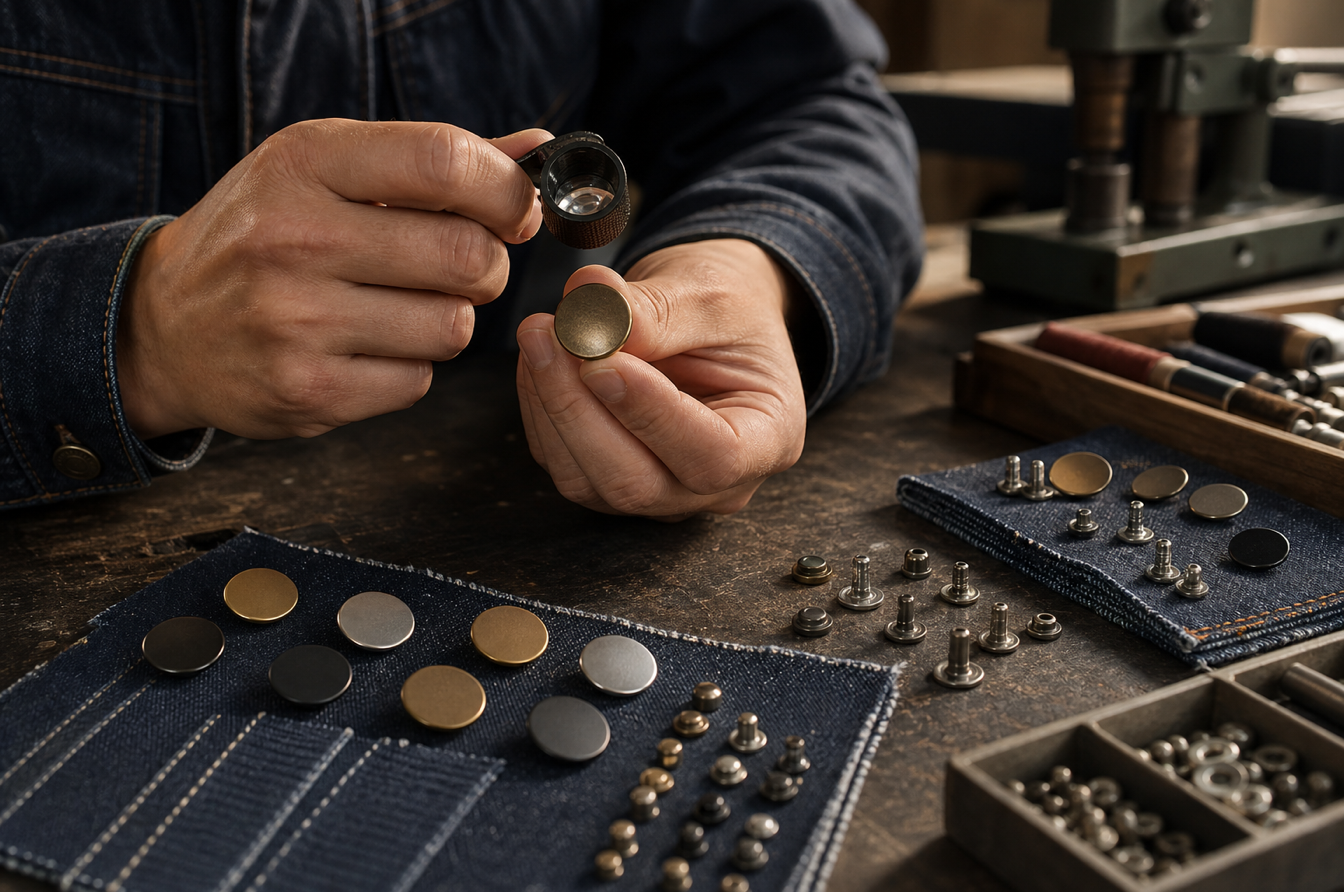
At Lustrim, I look at jeans buttons as both hardware and design language. With 15+ years of production experience behind our team, I know the best decision is rarely only about appearance. It is about how the button behaves under tension, how it ages with denim, and how easy it is to repair when a customer keeps wearing the garment for years.
What Makes a Jeans Button an Engineered Fastener?
A jeans button fails when we treat it like decoration instead of a load-bearing part.
The cap, tack, shank, and rivet system work together to hold denim under repeated pull, wash, abrasion, and body movement.
Cap, Tack, and Shank
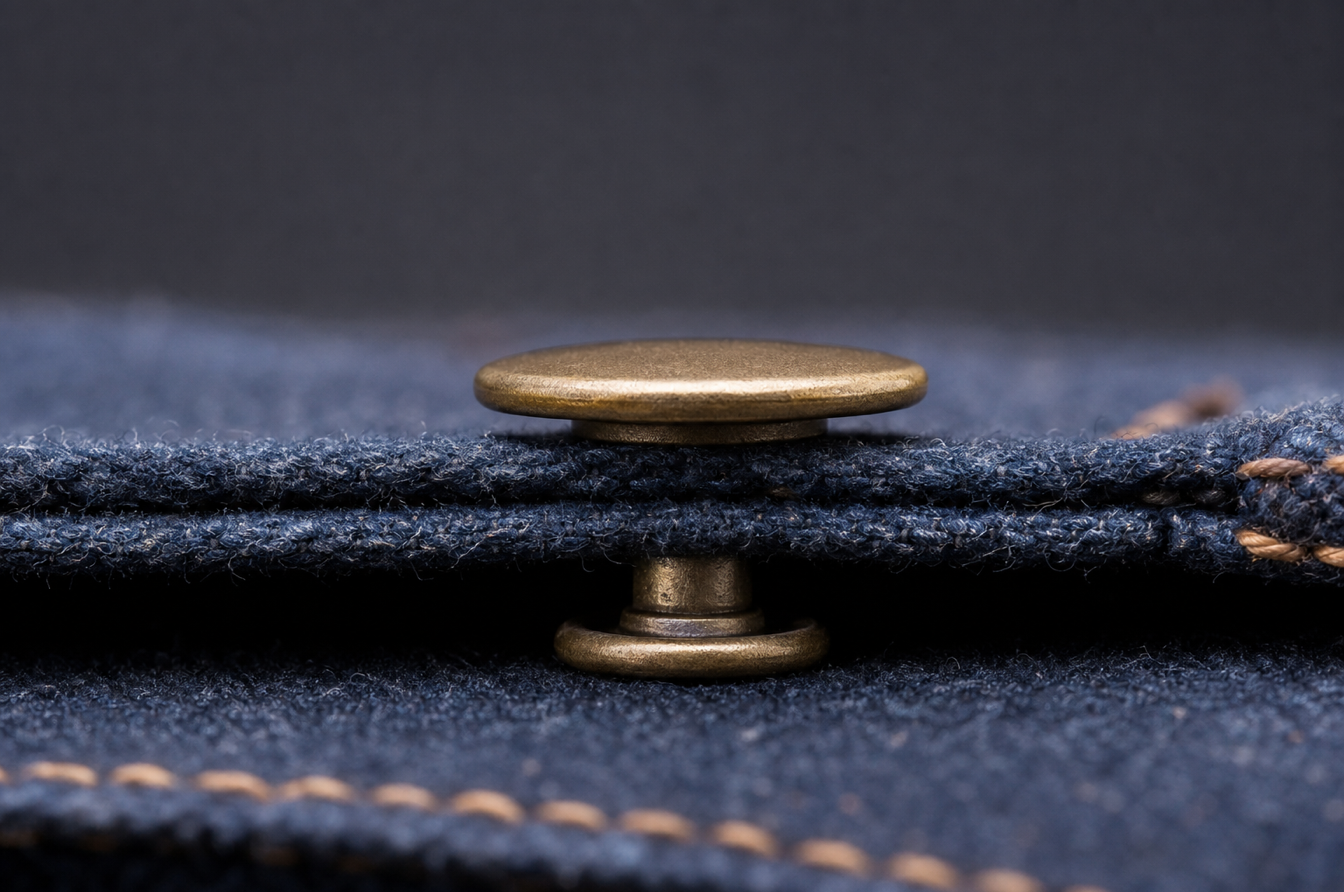
The cap is the visible face. It carries the logo, the finish, and the hand feel. The tack is the post that pierces the fabric and locks into the cap. Between them, the shank is the small but important space that gives the fabric room to move.
A fixed shank is simple and stable. It keeps the button in a consistent position and works well for basic jeans, jackets, and cost-sensitive programs. But when the waist is thick or the denim has strong shrinkage, a fixed shank can feel stiff. It may pull against the fabric instead of moving with the wearer.
A rotating or more flexible shank gives better comfort because the cap can respond to body movement. It also reduces twisting stress on the tack. I like this approach for premium jeans, heavy raw denim, and garments where the wearer expects long-term comfort. The extra engineering is small, but the wearing difference is real.
| Part | Main Function | Production Risk |
|---|---|---|
| Cap | Visible design and touch point | Weak embossing, thin plating, denting |
| Tack | Mechanical lock through fabric | Poor grip, bent post, loose fit |
| Shank | Space and movement between cap and cloth | Too tight, too tall, uncomfortable pull |
Why Rivets Protect High-Stress Points
Rivets are not simply a heritage detail. They are a practical answer to stress concentration. Pocket corners, coin pockets, and fly openings all receive repeated pulling force. Stitching alone can spread some tension, but thread still cuts into fabric over time when the force is focused at one point.
A rivet spreads the load through metal compression. The front and back parts clamp the fabric, and this reduces the chance that a pocket corner tears open. This is why rivets remain hard to replace in real workwear. Embroidery, bar tacks, and decorative stitching can look cleaner, but a well-set rivet gives a different level of mechanical security.
In production, the key is balance. If the rivet is too loose, it rotates and wears the fabric. If it is too tight, it crushes the denim and can cause early tearing around the hole. The best result comes from the right post length, correct hole size, and consistent pressing pressure.
Which Material and Plating Choices Decide Performance?
The material decides how the button feels, how it plates, and how it survives washing and wear.
Zamak supports complex shapes, brass offers classic value, and stainless steel gives strong corrosion resistance for demanding garments.
Zamak, Brass, and Stainless Steel
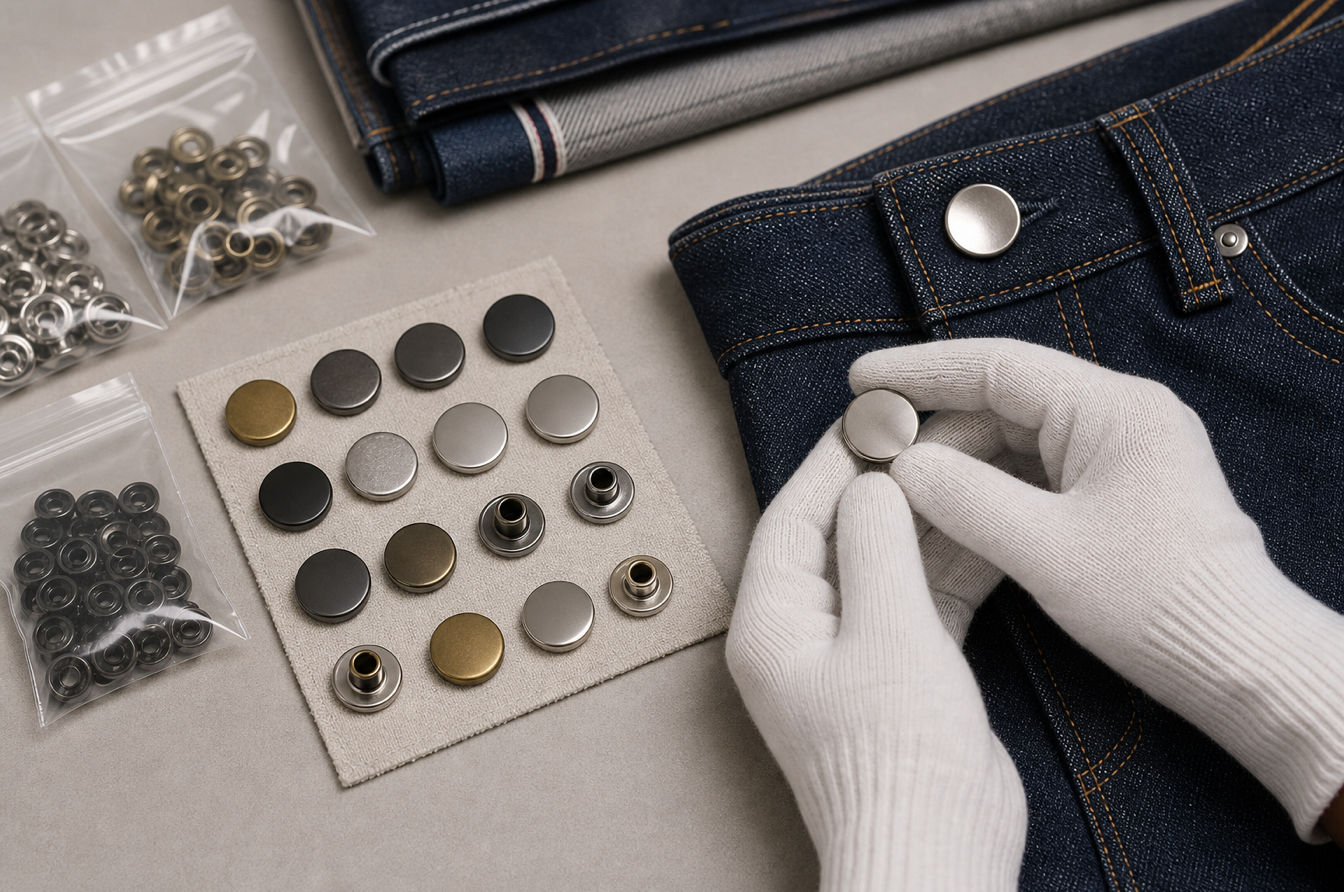
Zamak, a zinc alloy family, is useful when a design needs deep embossing, complex logo relief, or a heavy hand feel. It flows well in casting, so it can reproduce detailed shapes that would be difficult or costly in some other metals. For fashion denim, this gives designers more freedom. The risk is that poor alloy control or weak plating can lead to surface defects, dull aging, or brittle edges.
Brass has a warmer, more traditional value. It plates beautifully, ages well, and fits vintage denim language naturally. It is often chosen for better jeans because it combines good workability with reliable corrosion resistance. Stainless steel is stronger in wet, salty, or high-humidity use. It is less romantic than brass in appearance, but it performs well for workwear, outdoor clothing, and products that face heavy washing.
| Material | Best Use | Main Advantage | Watch Point |
|---|---|---|---|
| Zamak | Detailed fashion buttons | Complex relief and solid weight | Plating quality matters |
| Brass | Premium denim and heritage workwear | Warm aging and good corrosion resistance | Material cost is higher |
| Stainless steel | Utility and outdoor garments | Excellent rust resistance | Less flexible for decorative forms |
Nickel-Free and Anti-Rust Standards
Compliance is not a separate topic from product quality. Nickel-free plating is important because buttons sit close to the skin, especially at the waistband. For sensitive users, nickel release can cause irritation. For brands selling internationally, this is also a sourcing risk because different markets have different expectations for skin-contact hardware.
Anti-rust treatment matters because denim is washed, sweated in, folded, stored, and sometimes worn for many years. A button may pass a quick visual check but still fail after repeated laundering if the base material, plating thickness, or sealing process is weak. I prefer to discuss the full treatment stack with suppliers: base metal, pre-treatment, plating layer, top coat, salt spray target, and washing compatibility.
In our production discussions, I always ask what the button must survive. A fashion jean for light use, a raw denim product, and a workwear pant do not need the same test target. Good sourcing starts with the wear scenario, not just the sample photo.
How Do Finishes, Sizes, and Logos Shape Denim Style?
The button is often the smallest brand signal on the garment, but customers touch it every day.
Finish, diameter, proportion, and logo engraving turn a metal fastener into a style and identity marker.
Finishes as Visual Language
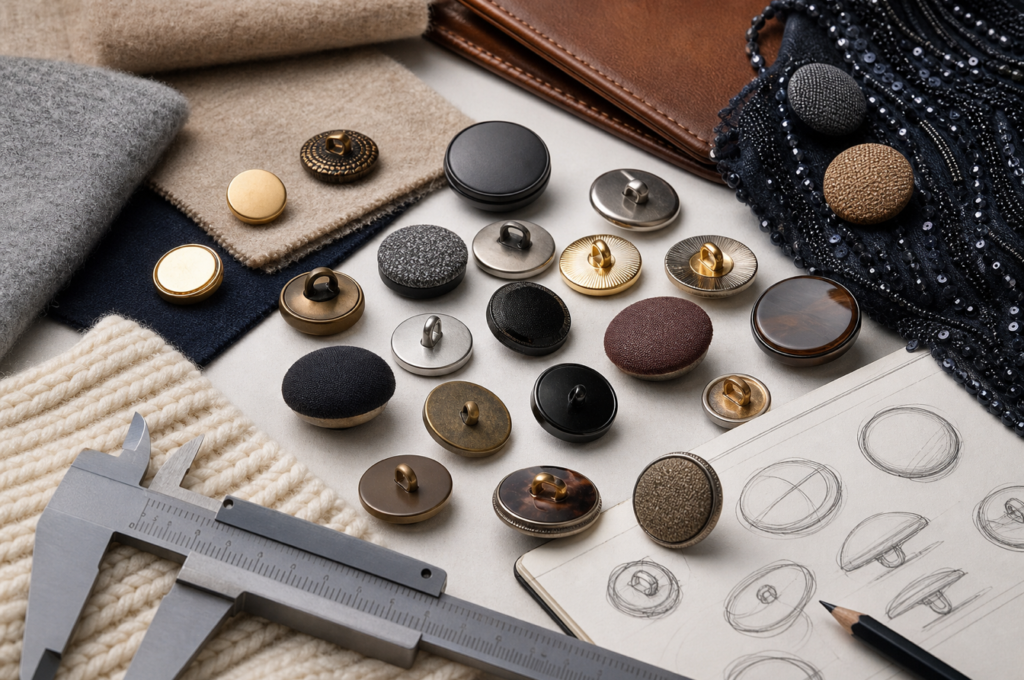
Antique brass and bronze finishes work naturally with raw denim because they develop a calm vintage feeling. As indigo fades, the warmer hardware creates contrast without looking too new. This is why heritage jeans, chore jackets, and workwear capsules often return to antique finishes. They feel believable as the fabric changes.
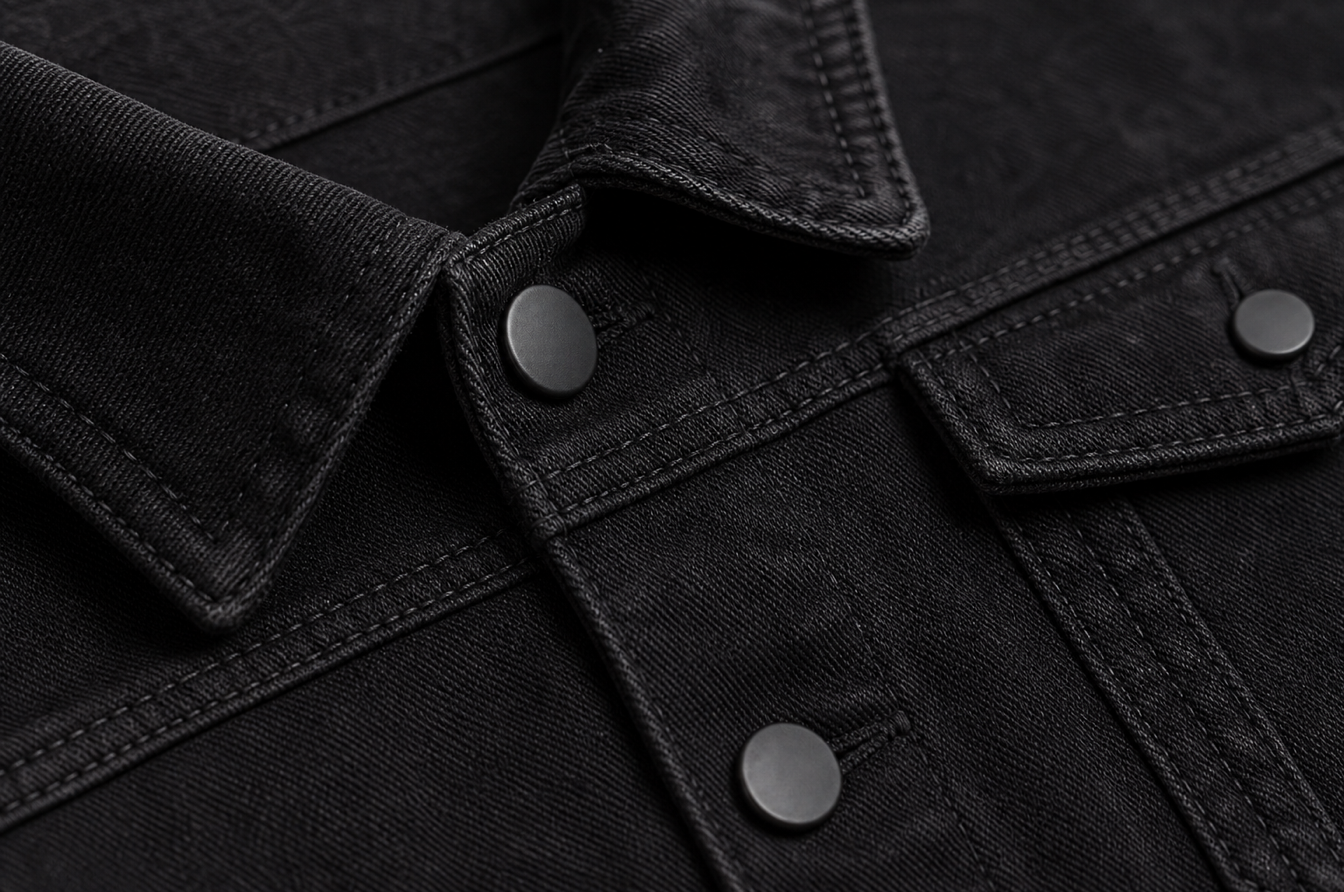
Matte black gives a different message. It makes denim look sharper, more modern, and more urban. It is useful for black jeans, streetwear, and minimalist collections. Colored enamel is more expressive. It can connect hardware to a seasonal palette, a capsule theme, or a brand color system. But enamel needs careful quality control because chips, uneven fill, or weak edges become visible quickly.
The right finish should match the whole garment story. A beautiful button can still be wrong if it fights the fabric, wash, stitching, zipper, or leather patch.
| Finish | Visual Effect | Good Match |
|---|---|---|
| Antique brass | Vintage and warm | Raw denim, heritage workwear |
| Bronze | Mature and rugged | Heavy denim, utility jackets |
| Matte black | Clean and modern | Streetwear, black denim |
| Colored enamel | Expressive and branded | Capsules, youth lines, logo programs |
Size, Proportion, and Logo Value
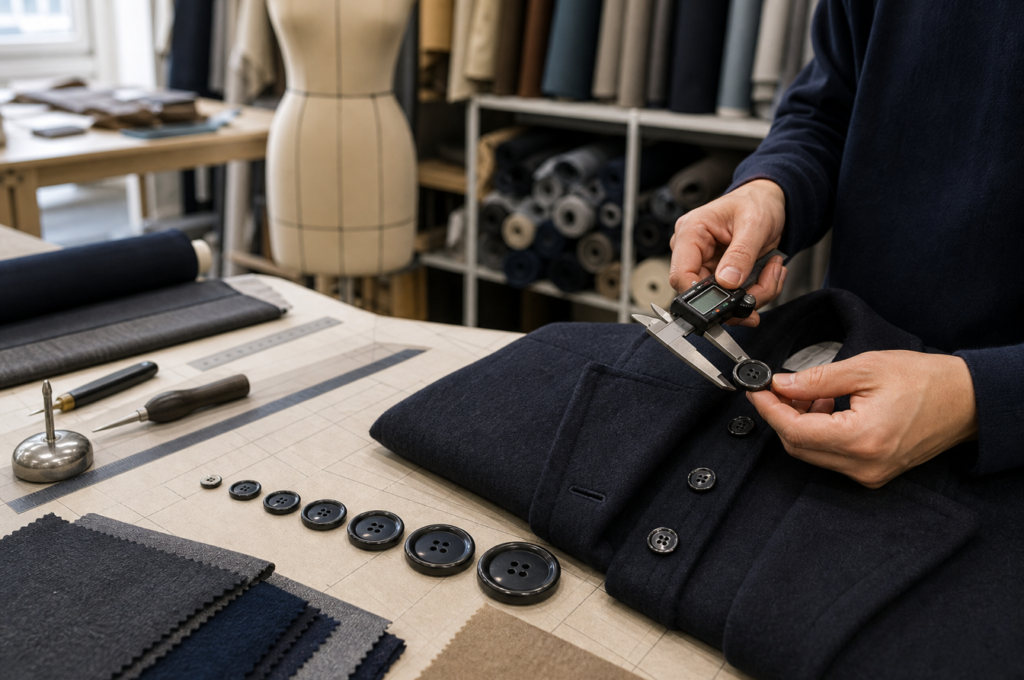
Most jeans buttons sit between 14 mm and 22 mm, but the right size depends on the garment. A smaller 14 mm to 17 mm button can work for light denim, kidswear, or secondary closures. Around 17 mm to 20 mm is common for jeans waistbands because it gives enough grip and visual presence. A 20 mm to 22 mm button can work on jackets, heavy waistbands, and statement products.
Proportion matters because a button that is too small looks weak and may be harder to use. A button that is too large can pull the fabric, distort the fly, or look clumsy. I usually compare the button against waistband thickness, buttonhole length, fabric weight, and the garment’s design attitude before confirming size.
Logo engraving adds another layer. A custom button can carry brand memory, but it also helps control authenticity. When the cap uses a unique mold, clean engraving, and consistent finish, the hardware becomes part of the brand’s anti-counterfeit language. This is especially useful for denim brands, repair programs, and limited collections where details prove origin.
How Can Complex Jeans Button Failures Be Repaired?
Simple replacement works only when the denim is still healthy around the hole.
For torn fabric, loose tacks, or permanent buttons, the repair must reinforce the cloth before the new hardware is installed.
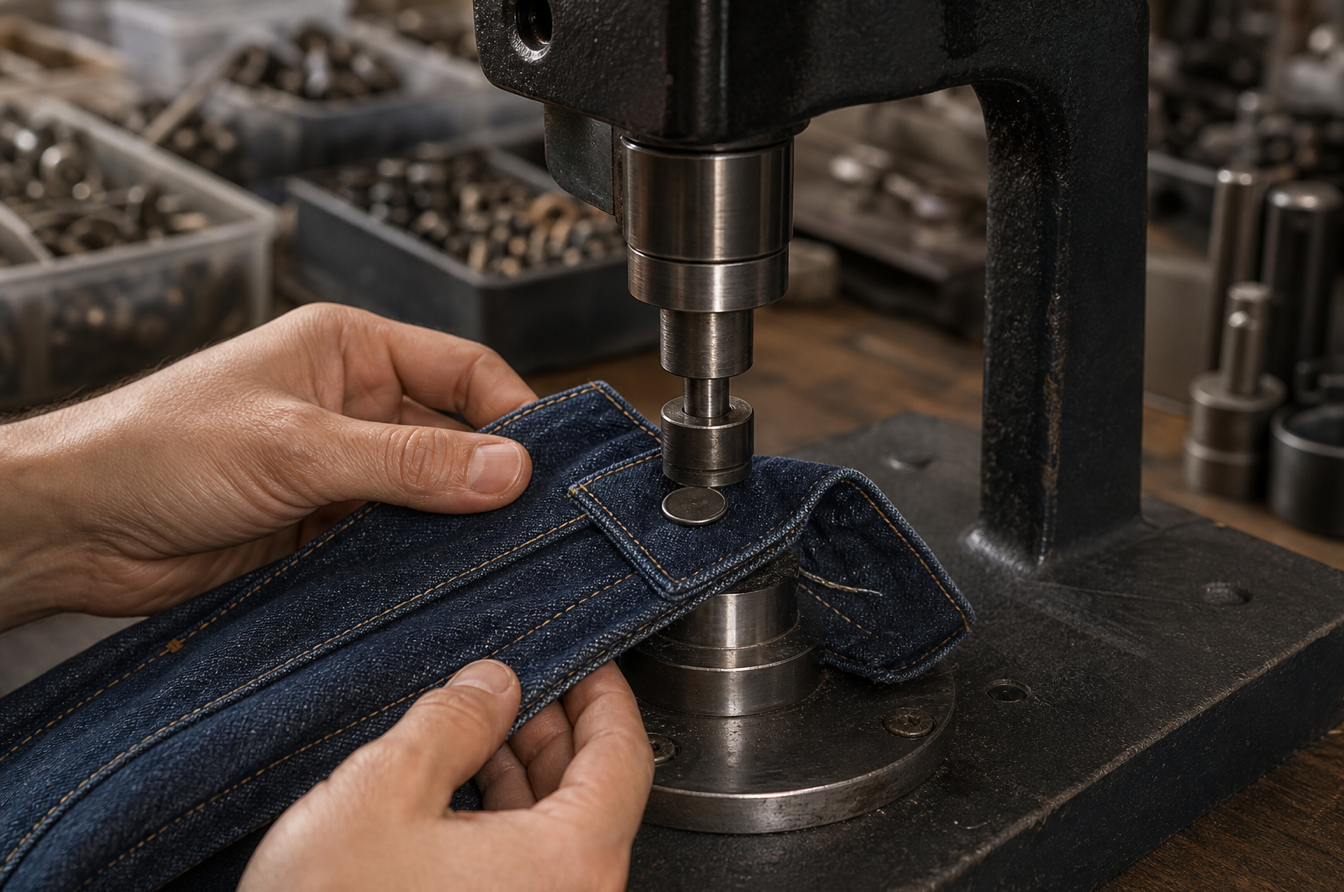
Tools Beyond a Hammer
A hammer can install some jeans buttons, but it is not the best tool for consistent repair. A button press gives controlled force and better alignment. This matters because the tack must enter straight and lock cleanly. If the tack bends or the cap tilts, the button may feel tight at first but loosen later.
A precision hole punch is also useful. Many repair failures start with a rough hole. If the fabric is torn by scissors or forced open by the tack, the fibers can continue splitting. A clean hole reduces fabric stress and helps the tack sit in the right position.
For DIY repair, I suggest a small toolkit: replacement buttons, matching tacks, a hole punch, pliers for controlled removal, a flat support block, reinforcement washers, and fabric patches. For workshops or brands offering repair service, a small press is worth the investment because it creates repeatable results.
| Tool | Use | Why It Helps |
|---|---|---|
| Button press | Installs button and tack | Controls pressure and alignment |
| Hole punch | Opens clean fabric hole | Reduces tearing |
| Washer | Adds backing support | Spreads load on weak denim |
| Pliers | Supports removal | Limits new fabric damage |
Torn Fabric, No-Sew Buttons, and Magnetic Buttons
When the denim around the buttonhole is damaged, do not install a new tack in the same weak area without reinforcement. First, stabilize the cloth. A small backing patch or fusible interfacing can support the damaged area from the inside. A washer can also spread the load behind the tack, especially on thin or softened denim.
No-sew buttons are useful for fast repair and adjustable waist needs. They can help a customer keep wearing jeans when weight changes, travel happens, or a button breaks unexpectedly. They are not always as clean as a permanent button for premium production, but they are practical in repair kits and after-sales service.
Magnetic buttons serve a different purpose. They can support easy fastening, adaptive clothing, and quick temporary closures. Their limitation is holding strength, especially under waist tension. I see them as a helpful solution for special use cases, not a universal replacement for mechanical jeans buttons.
Removing a permanent tack should be done carefully. The goal is to separate the metal without widening the fabric hole. I prefer micro-removal with controlled pressure: expose the back, grip the tack, work slowly, and support the denim from both sides. Speed creates damage. Patience protects the garment.
What Should Brands and Makers Know Before Sourcing Jeans Buttons?
A good supplier reduces risk before bulk production starts, not after a complaint arrives.
Ask about certification, custom mold ability, packaging, testing, repair use, and cost balance before confirming jeans buttons.
Sustainability and Long-Term Care
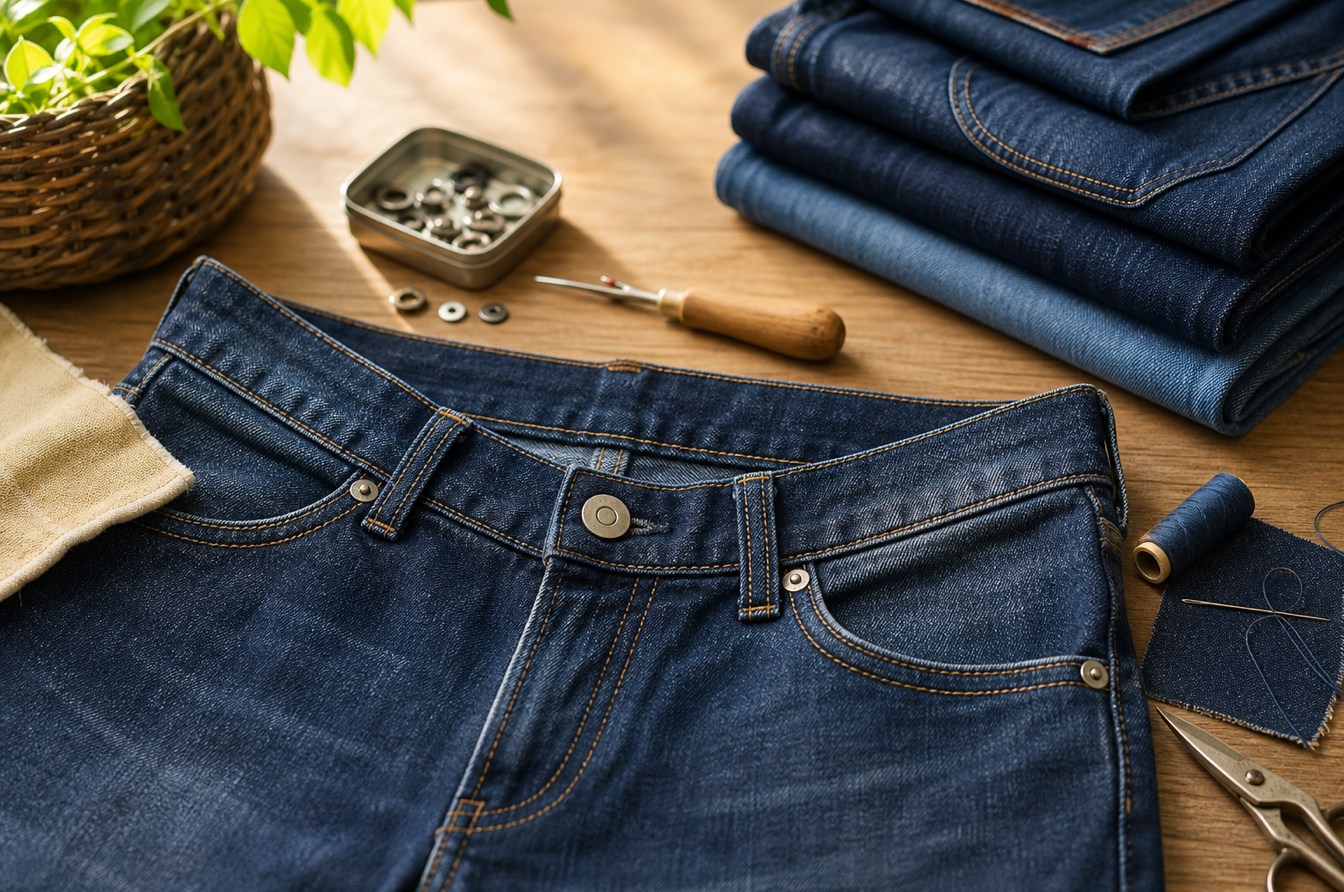
Repair is part of circular fashion. When a button can be replaced, reinforced, or upgraded, the jeans can stay in use longer. This is a small action, but it supports slow fashion because it changes the way customers see clothing. The garment becomes something worth maintaining, not something to discard when one fastener fails.
Care also matters. Antique brass, painted buttons, and enamel finishes should not be treated like plain metal. Harsh washing, strong chemicals, and rough tumbling can damage the surface. For premium denim, I suggest giving customers simple care advice: wash inside out, avoid unnecessary high heat, close buttons before washing, and dry in a way that limits metal abrasion.
Regular checking is a simple but useful habit. A loose button often gives early signs: slight rotation, small clicking sounds, a lifted cap edge, or fabric pulling around the tack. If the wearer catches this early, reinforcement is easy. If ignored, the button may fall off at the worst possible time.
Supplier Evaluation and Cost Balance
For B2B sourcing, I look at more than a nice sample board. I ask whether the supplier understands international compliance, can support nickel-free options, can explain plating and anti-rust processes, and can keep color stable across production lots. For custom work, OEM and ODM ability matters because logo depth, mold precision, and finish matching all affect the final garment.
Retail packaging is another difference. A brand buying bulk buttons for factory sewing needs stable cartons, clear labels, and production traceability. A DIY repair product needs small packaging, instructions, mixed sizes, and maybe no-sew options. The hardware may be similar, but the supply chain logic is different.
Cost should be judged against use. Independent brands may not need the most expensive metal for every style, but they should not save money on the button that carries waistband tension. DIY users may choose no-sew or screw buttons for flexibility, while denim brands should test permanent buttons with real fabric weight and wash conditions.
| Buyer Type | Best Priority | Smart Compromise |
|---|---|---|
| Denim brand | Consistency, compliance, logo quality | Use premium buttons on waistband, simpler parts elsewhere |
| Workwear maker | Strength and corrosion resistance | Limit decorative complexity |
| DIY repair user | Ease of installation and adjustability | Choose no-sew options when tools are limited |
| Small label | Low MOQ and stable finish | Start with standard molds plus custom engraving |
Conclusion
A jeans button is small hardware with large impact. Choose it by structure, material, style, repairability, and sourcing risk.