- Loading...
Some finishes fail because the color is wrong. Others fail because the process behind the color is no longer strong enough.
Modern precision manufacturing is moving toward PVD because high-energy ion deposition offers stronger interfaces, better repeatability, cleaner production, and more reliable performance than low-energy wet plating.
Electroplating built a long history in decorative hardware, and it still has practical value. But the demands placed on modern hardware have changed. A small buckle, watch clasp, medical component, or technical trim now has to meet tighter dimensional control, cleaner compliance, stronger wear resistance, and more stable batch quality. In this environment, the question is not simply which process makes a brighter surface. The better question is which process belongs to the next generation of manufacturing.
Why does energy level change the destiny of a coating?
A coating begins to succeed or fail before we can see its color.
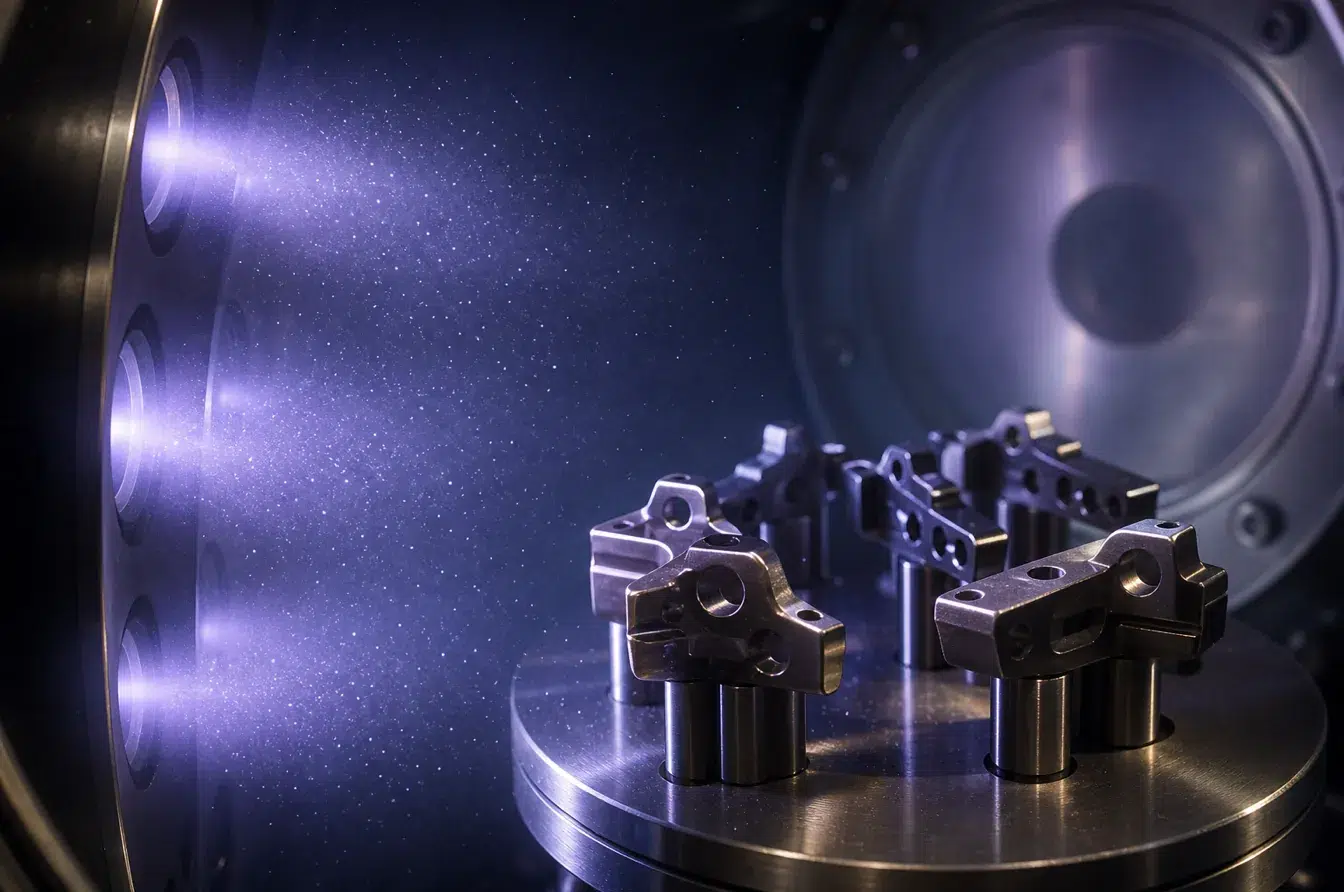
High-energy PVD gives arriving particles enough kinetic energy to move, bond, and densify, while electroplating deposits metal through lower-energy chemical attraction.
From Passive Deposition to Active Surface Engineering
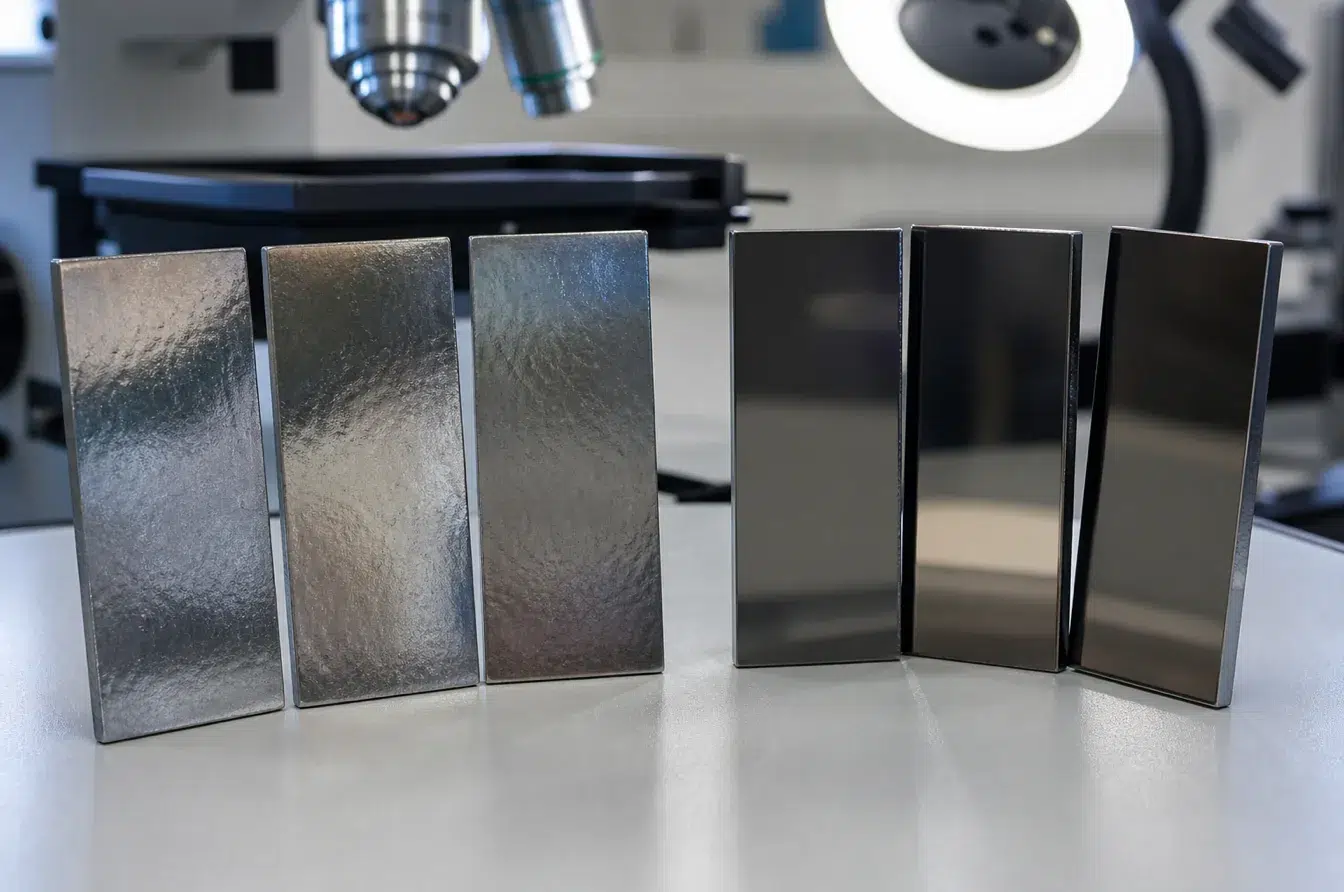
Electroplating depends on ions moving through a liquid bath and depositing onto a conductive surface. The process is useful, but it is limited by bath chemistry, current density, surface activation, and local geometry. The deposited atoms arrive with relatively low energy. They build a layer, but the quality of that layer depends heavily on how evenly the electric field behaves across the part.
PVD changes the physical condition of deposition. In sputtering or ion-assisted systems, particles are released from a target in a vacuum environment and arrive at the substrate with much higher energy. They do not only land on the surface. They strike it, move across it, and help create a denser film. This is why I see PVD as surface engineering rather than simple coating.
| Manufacturing Logic | Electroplating | PVD |
|---|---|---|
| Energy state | Low-energy deposition | High-energy ion arrival |
| Main control factor | Bath chemistry and current | Vacuum, bias, plasma, target power |
| Film growth | More geometry-sensitive | More compact and controllable |
| Interface behavior | Depends on pretreatment | Strengthened by ion bombardment |
| Best role | Decorative and cost-sensitive work | Precision and performance surfaces |
Why Nucleation and Interface Strength Matter
The first atoms on a substrate decide how the coating will grow. If they form weak islands, the final coating may look good but still have hidden weakness. In electroplating, this early nucleation stage can be disturbed by contamination, uneven activation, or unstable current distribution. The surface may appear complete, but the interface may not be strong enough for long-term stress.
In PVD, energetic particles have higher surface mobility. They can move to more stable nucleation points before becoming locked into the growing film. This helps the coating grow with fewer weak zones and a tighter structure. Before coating, many PVD processes also use sputter cleaning. Ion bombardment removes oxide films, residues, and weak surface layers. Then the coating grows on a cleaner and more active substrate.
This interface is one of the strongest arguments for PVD. The coating is not only attached by surface contact. Under good process control, ion bombardment can create a transition zone that behaves almost like a pseudo-diffusion layer. This is why PVD adhesion is often reported as several times stronger than conventional decorative plating, depending on substrate and test method.
Why is PVD better aligned with precision geometry?
Modern parts are not simple flat plates, and this is where older processes show their limits.
PVD gives engineers more control over thin-film growth on small, complex, and dimension-sensitive parts.
The Edge Build-Up Problem in Electroplating
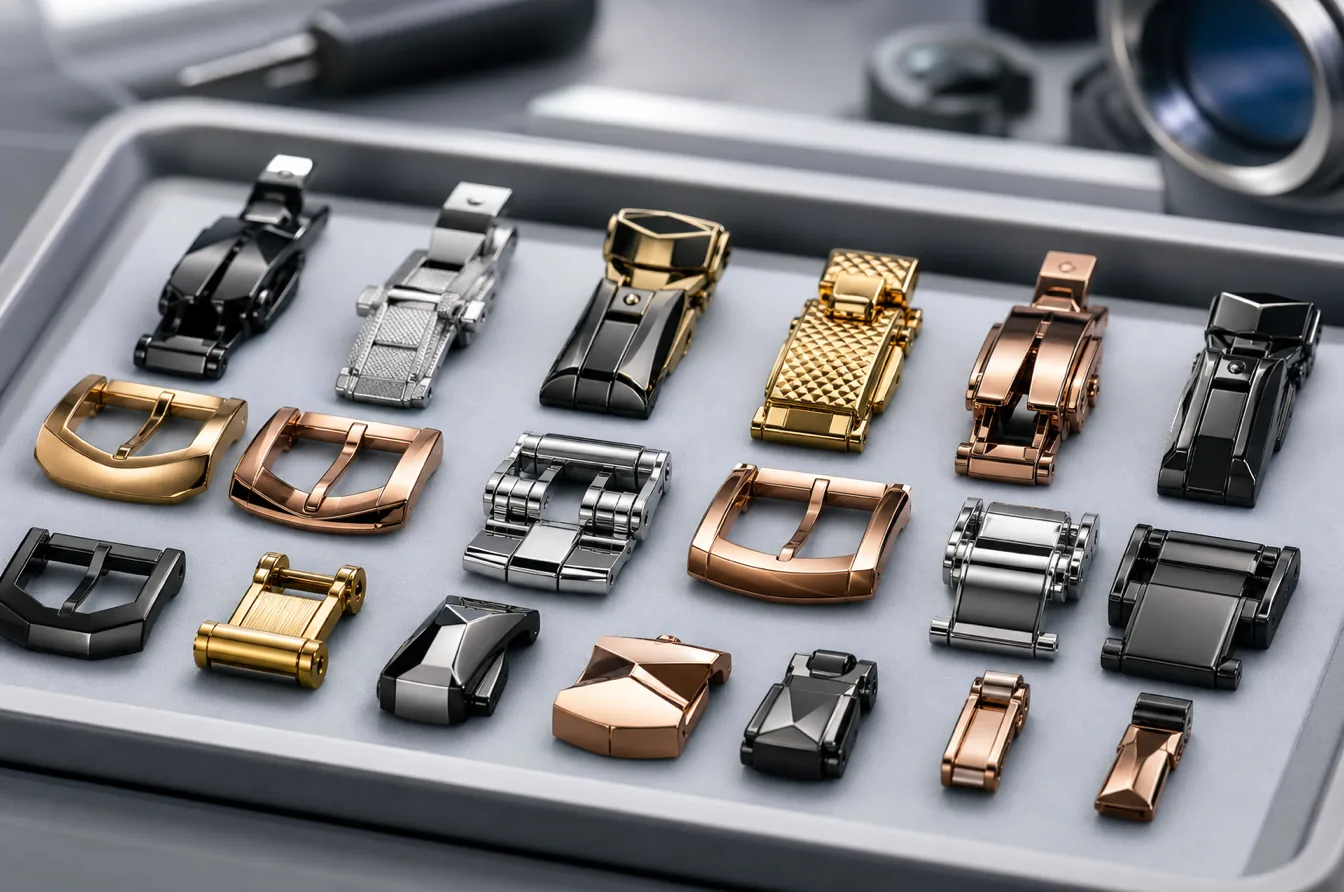
Electroplating struggles with current distribution. Sharp edges receive more current, so they often receive more deposit. Recessed areas receive less. This creates the familiar problems of edge build-up, uneven thickness, weak coverage in grooves, and dimensional drift. For decorative parts, this may be acceptable. For precision hardware, it becomes a design risk.
A small lock, clasp, logo plate, hinge, medical tool, or micro-machined trim cannot tolerate uncontrolled surface growth. If the finish changes the edge too much, the part may look heavy, lose definition, or fail assembly. If recessed areas are under-coated, corrosion and color inconsistency may appear later.
PVD is also affected by geometry, especially because many systems have line-of-sight behavior. But it offers better engineering tools. Fixture design, rotation, chamber pressure, bias voltage, target position, and deposition time can be adjusted to improve exposure. The coating is thin, hard, and more dimensionally controlled, which makes it suitable for small parts where every micron matters.
| Part Feature | Electroplating Risk | PVD Manufacturing Advantage |
|---|---|---|
| Sharp edge | Excessive build-up | Thin-film control |
| Deep groove | Weak deposit | Better fixture and rotation strategy |
| Fine logo | Blurred detail | Preserved edge definition |
| Micro part | Batch variation | Recipe-controlled processing |
| Assembly surface | Dimensional drift | Lower coating thickness impact |
Why Fixture Strategy Becomes a Manufacturing Skill
In PVD, the fixture is not just a holder. It is part of the process design. Parts must rotate correctly, face the coating source at the right rhythm, and avoid shadowing each other. Loading density matters. If a factory overloads the rack, some parts may receive weaker coating. If spacing is too loose, cost rises. The best result comes from balancing exposure, cost, and repeatability.
This is why PVD fits precision manufacturing culture. It asks the factory to think like an engineering partner, not only a finishing vendor. The supplier must understand surface area, geometry, rotation, temperature, and inspection zones. For high-value hardware, I would always ask how the supplier plans to coat hidden corners, deep channels, and functional contact areas before approving mass production.
How does digital control make PVD part of Industry 4.0?
A good sample is not enough when the real order has thousands of pieces.
PVD supports digital repeatability because pressure, power, bias, gas flow, temperature, time, and rotation can be stored and repeated as process recipes.
Recipe Libraries and Batch Reproduction
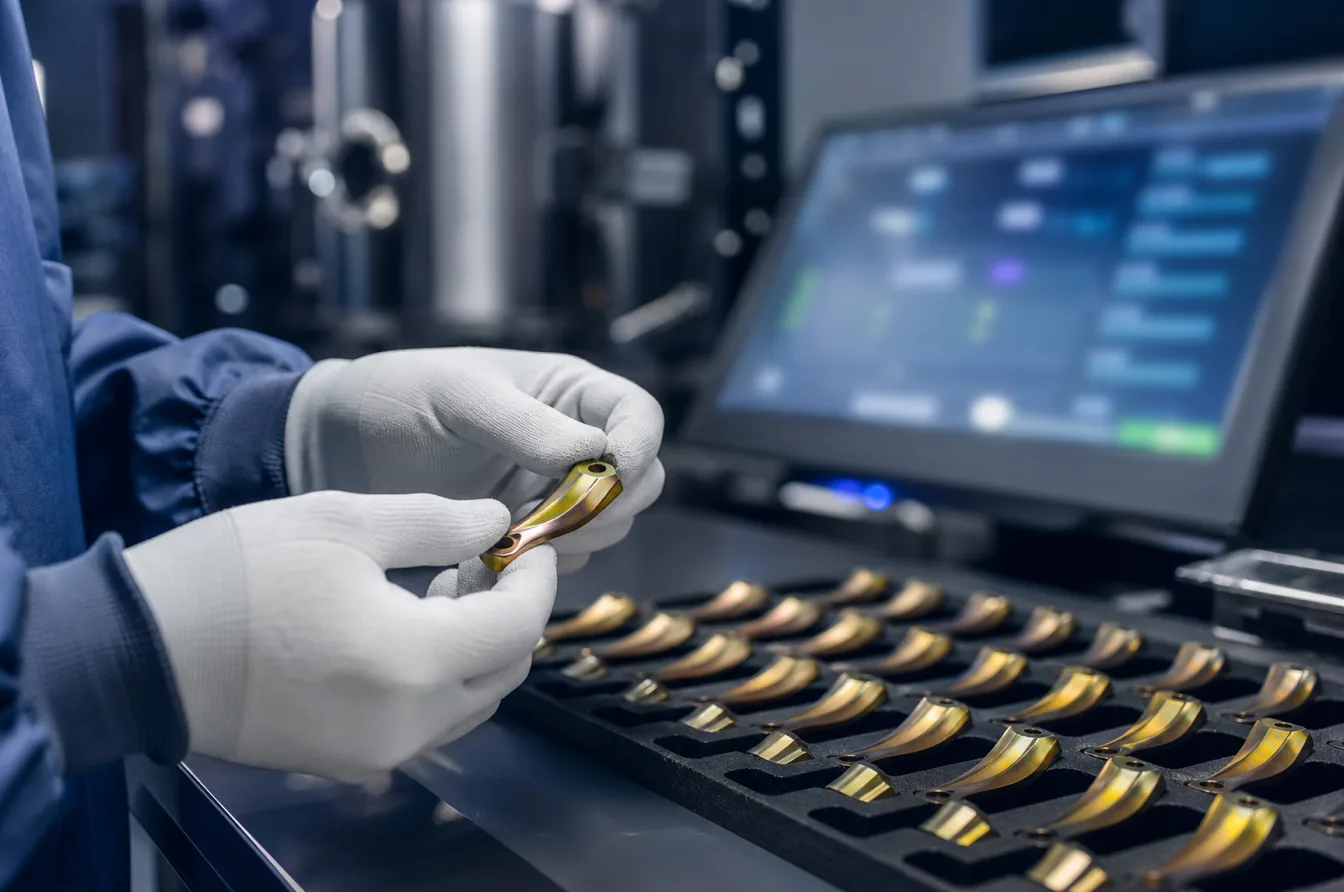
One reason I describe PVD as a modern manufacturing process is its recipe-based control. A mature PVD line can store proven process parameters in a recipe library. These parameters may include vacuum level, argon flow, reactive gas ratio, target power, substrate bias, chamber temperature, rotation speed, deposition time, and cooling sequence.
This matters because surface quality is not only judged in the sample room. It is judged across repeated batches. If the first batch is champagne gold and the second batch is slightly green, the brand has a problem. If adhesion passes once but fails later, the buyer loses confidence. Digital control helps reduce this uncertainty.
| Recipe Parameter | What It Influences | Production Value |
|---|---|---|
| Vacuum pressure | Cleanliness and particle path | Fewer defects |
| Target power | Deposition rate | Stable thickness |
| Bias voltage | Ion bombardment | Stronger density and adhesion |
| Gas flow | Coating chemistry | Better color and hardness control |
| Rotation speed | Surface exposure | More uniform coating |
| Temperature | Film growth and substrate safety | Wider material options |
Why Process Data Is Better Than Operator Memory
Traditional finishing often depends on experienced operators, and that experience is valuable. But modern production also needs data. PVD gives the factory a clearer way to trace what happened inside the chamber. When a batch drifts, the team can review process records instead of only guessing. This improves troubleshooting and long-term supplier management.
Temperature flexibility also expands application possibilities. Depending on the coating system, PVD can be run at different temperature ranges, from relatively low-temperature processing to around 500 C for more demanding coatings. This helps engineers match the process to stainless steel, brass, selected steels, high-temperature alloys, and certain temperature-resistant polymers. The process becomes a platform, not a single fixed finish.
Why is total cost more important than coating price?
The cheapest surface on a quotation can become expensive after failure, compliance, and replacement are included.
PVD can reduce total cost by improving durability, lowering environmental burden, and giving factories more flexible coating options.
The Hidden Cost of Wet Processing
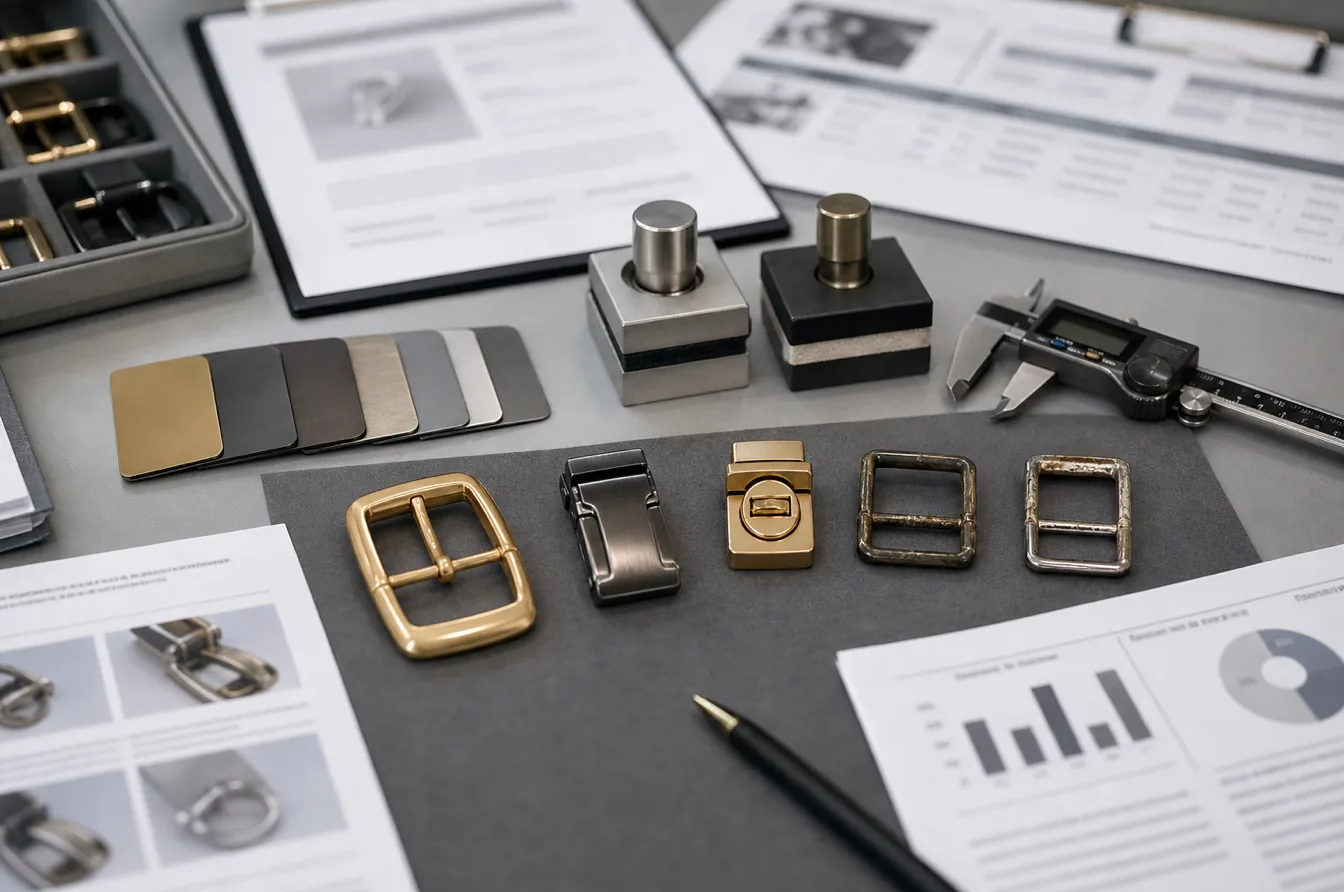
Electroplating often appears cheaper in direct unit price. But direct price is not the full business cost. Wet plating requires chemical baths, water treatment, sludge disposal, bath control, worker protection, and compliance management. These costs are real even when they are not shown as separate items on a quotation.
Environmental regulation also makes old processes less stable. Finishes connected with high-risk chemicals, especially traditional chromium-related systems, face increasing pressure in global supply chains. A brand that sells into strict markets must think about documentation, restricted substances, supplier audits, and future process risk.
| Cost Factor | Electroplating Exposure | PVD Exposure |
|---|---|---|
| Wastewater treatment | High | Very low |
| Hazardous chemical control | High | Lower |
| Process changeover | Bath-dependent | Target and recipe dependent |
| Failure cost | Can rise with weak adhesion | Reduced with stronger interface |
| Compliance pressure | Often heavier | Easier to position as cleaner manufacturing |
How Longer Product Life Changes the Calculation
A surface finish is part of product value. If hardware loses color, scratches quickly, or peels, the customer does not blame the coating process. The customer blames the brand. This is why total cost must include returns, complaints, replacement, repair, and loss of trust.
PVD can justify a higher process cost when the product needs a longer service life. Its dense film, stronger adhesion, and high hardness help resist everyday abrasion from hands, fabric, leather, dust, keys, sweat, and storage contact. For premium hardware, this durability protects the value of the whole product, not only the small metal part.
PVD also supports flexible production. By changing target materials and process recipes, one equipment platform can produce different coating families such as TiN, ZrN, CrN, DLC, and other engineered surfaces. A wet plating line often needs different bath systems and chemical control for major finish changes. For brands developing multiple premium surface directions, this flexibility has real economic value.
Why does PVD fit ESG and future compliance better?
Surface finishing is now judged by environmental responsibility as much as appearance.
PVD helps manufacturers move from pollution treatment toward pollution avoidance by replacing wet chemical deposition with dry vacuum coating.
From Treating Waste to Avoiding Waste
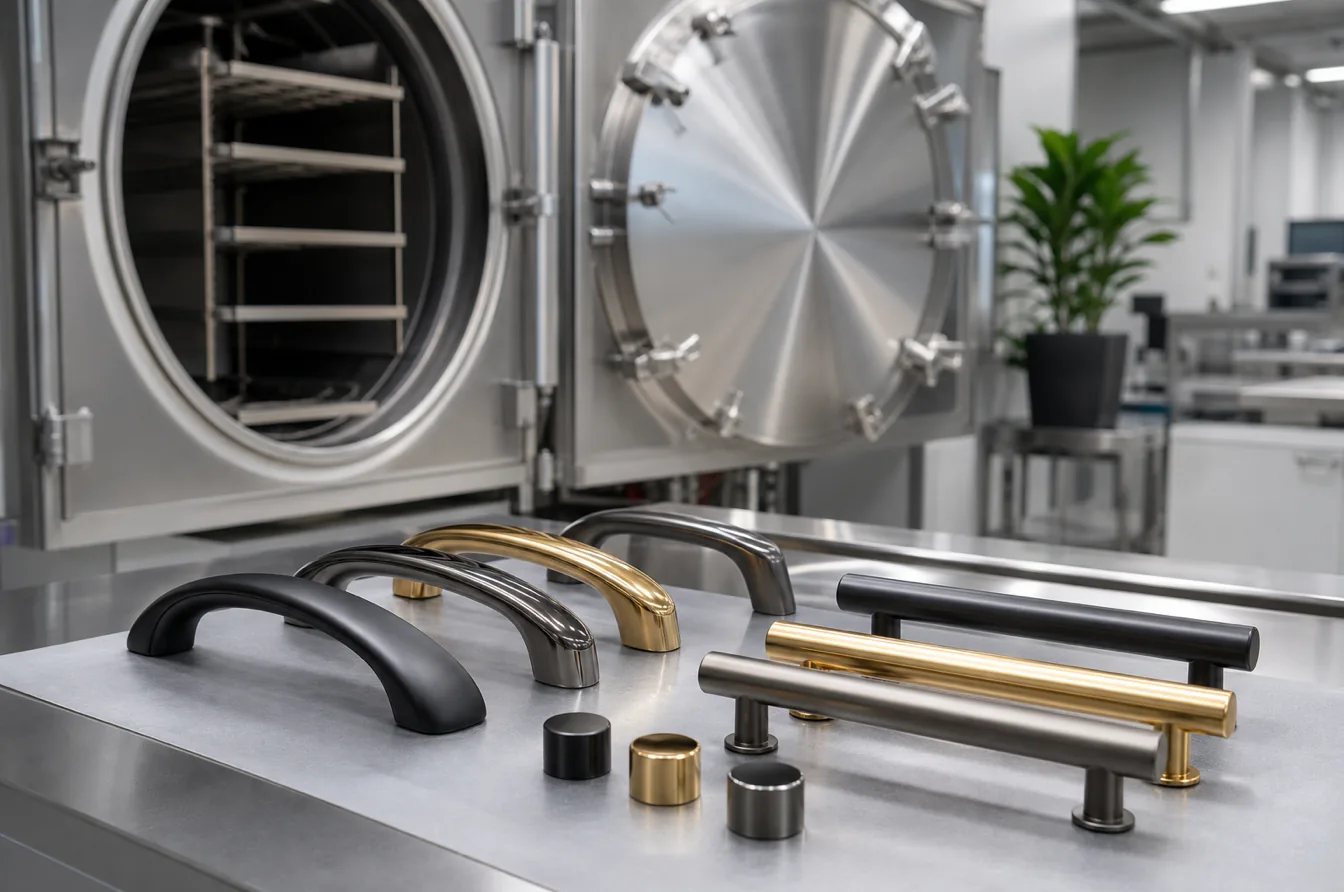
The older industrial model was simple: produce first, then treat waste. This model is becoming harder to defend. Brands, regulators, and customers increasingly expect suppliers to reduce hazardous processes at the source.
PVD supports this shift because it is a dry physical process. It does not use traditional plating baths and does not generate the same wastewater stream. It still consumes energy, targets, gases, cleaning resources, and maintenance effort, so it is not impact-free. But compared with many wet chemical routes, it offers a cleaner foundation.
This is especially important when PVD replaces processes linked to hexavalent chromium or other restricted chemistries. The value is not only environmental. It also reduces supplier risk, improves audit confidence, and supports long-term manufacturing stability.
| ESG Pressure | Why It Matters | PVD Contribution |
|---|---|---|
| Restricted substances | Global market access | Alternative coating systems |
| Wastewater control | Factory compliance | Dry vacuum process |
| Worker safety | Chemical exposure reduction | Less wet chemical handling |
| Product durability | Lower replacement pressure | Longer usable surface |
| Supplier audit | Traceable process control | Digital recipe records |
Why Green Manufacturing Must Also Perform
A sustainable finish must still work. If a cleaner coating fails quickly, it only moves the environmental burden to replacement and waste. PVD is powerful because it connects cleaner production with better performance. The same process that reduces wastewater can also improve hardness, adhesion, and wear resistance.
For premium hardware, this creates a practical green premium. The brand can tell a cleaner manufacturing story, but the product also feels better in use. The finish lasts longer, the color stays more stable, and the supplier can offer better process documentation. This is the kind of sustainability that survives real production pressure.
Where will PVD become essential next?
The more advanced the product becomes, the more important the surface becomes.
PVD will matter most in fields where thin, clean, hard, and repeatable coatings are required on complex precision parts.
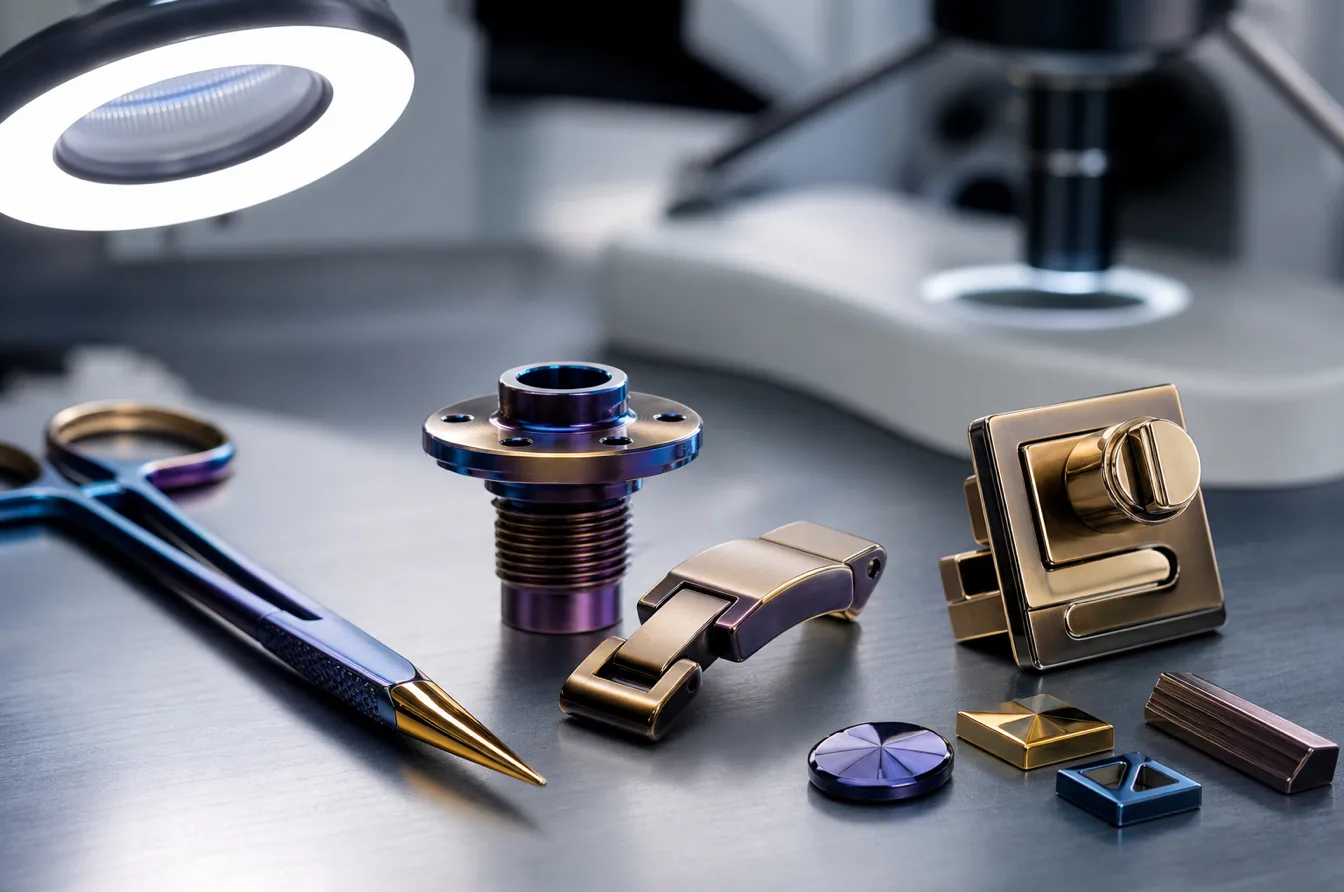
From Decorative Finish to Functional Surface
The future of PVD is not only gold, black, or champagne color. It is functional surface design. Medical tools may need cleanable and wear-resistant surfaces. Aerospace components may need oxidation and friction control. Microelectronics may need extremely thin layers. Wearable products need finishes that survive sweat, skin contact, abrasion, and daily handling.
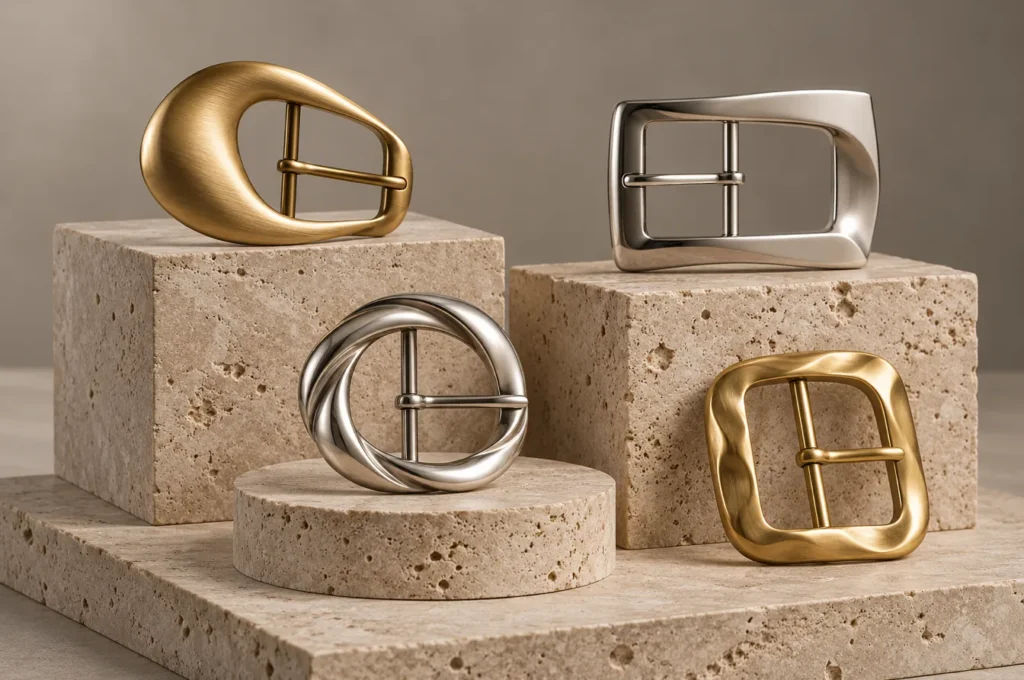
Fashion hardware is moving in the same direction. A clasp, buckle, zipper pull, or bag lock is no longer just decorative. It must hold brand identity, resist wear, pass compliance, and support smooth assembly. PVD fits this future because it creates thin engineered surfaces without destroying fine detail.
| Future Field | Surface Requirement | Why PVD Fits |
|---|---|---|
| Medical devices | Clean, stable, wear-resistant surfaces | Controlled vacuum coating |
| Aerospace | Hardness and oxidation resistance | Engineered thin films |
| Microelectronics | Precise layer control | High process repeatability |
| Wearables | Sweat and abrasion resistance | Durable functional color |
| Luxury hardware | Beauty plus performance | Stronger surface identity |
How I Would Specify PVD in a Precision Project
I would not specify PVD with a vague phrase like "black PVD." That is not enough for a serious project. I would define the substrate, surface texture, polishing level, target color, gloss, coating family, adhesion test, abrasion test, corrosion test, acceptable color range, and packaging method.
I would also ask the supplier to explain sputter cleaning, fixture rotation, chamber loading, temperature control, and recipe repeatability. If the part has grooves or blind areas, I would ask how those areas will be exposed and inspected. If the part is small and functional, I would check whether coating thickness affects assembly tolerance.
This is why PVD is becoming a necessary choice in modern precision manufacturing. It answers the same pressures that are reshaping the industry: higher surface performance, tighter control, cleaner production, digital repeatability, and stronger total value. Electroplating will remain useful, but PVD is the process that better matches the future.
Conclusion
PVD is not simply a replacement for electroplating. It is the move from decorative coating to engineered surface manufacturing.