- Loading...
A garment can fail quietly when the button cannot survive the same life as the fabric, wash, and brand promise.
High-performance buttons combine mechanical strength, color stability, wash resistance, compliance, and brand expression, so they protect garment quality while supporting sustainable sourcing and premium market positioning.
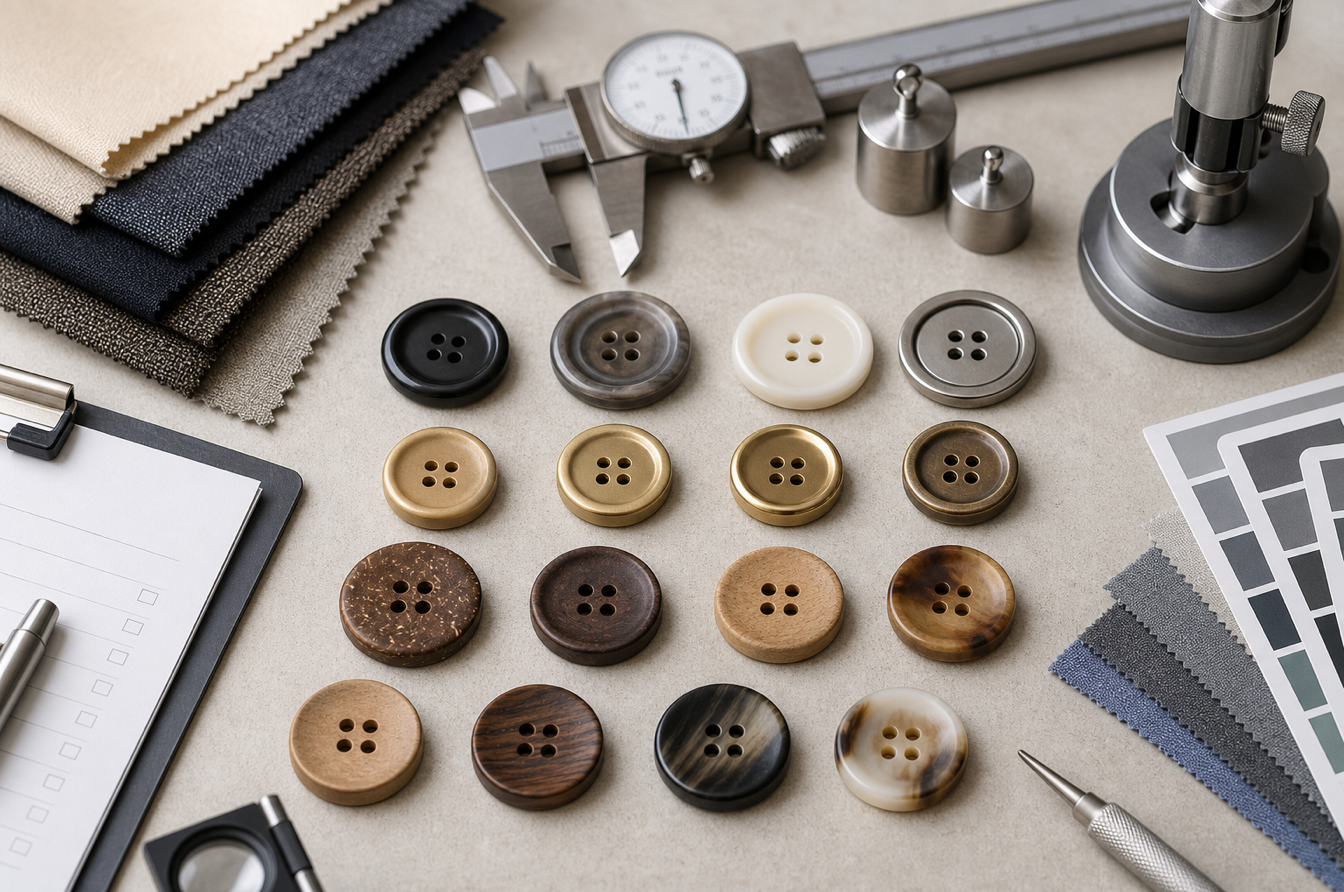
I treat a button as a small control point in a large product system. It is easy to see the fabric first, then the silhouette, then the label. But the button is touched, pulled, washed, rubbed, and judged again and again. When it performs well, nobody complains. When it cracks, fades, corrodes, or falls off, the whole garment feels careless. For Lustrim, this is why button development should begin before bulk production pressure arrives.
What Does Button Durability Really Mean Beyond Breaking Strength?
A strong button can still become a weak detail if color, surface, and attachment quality fail in real use.
Button durability includes tensile strength, impact resistance, colorfastness, chemical wash resistance, abrasion performance, edge safety, dimensional stability, and consistent attachment under repeated garment stress.
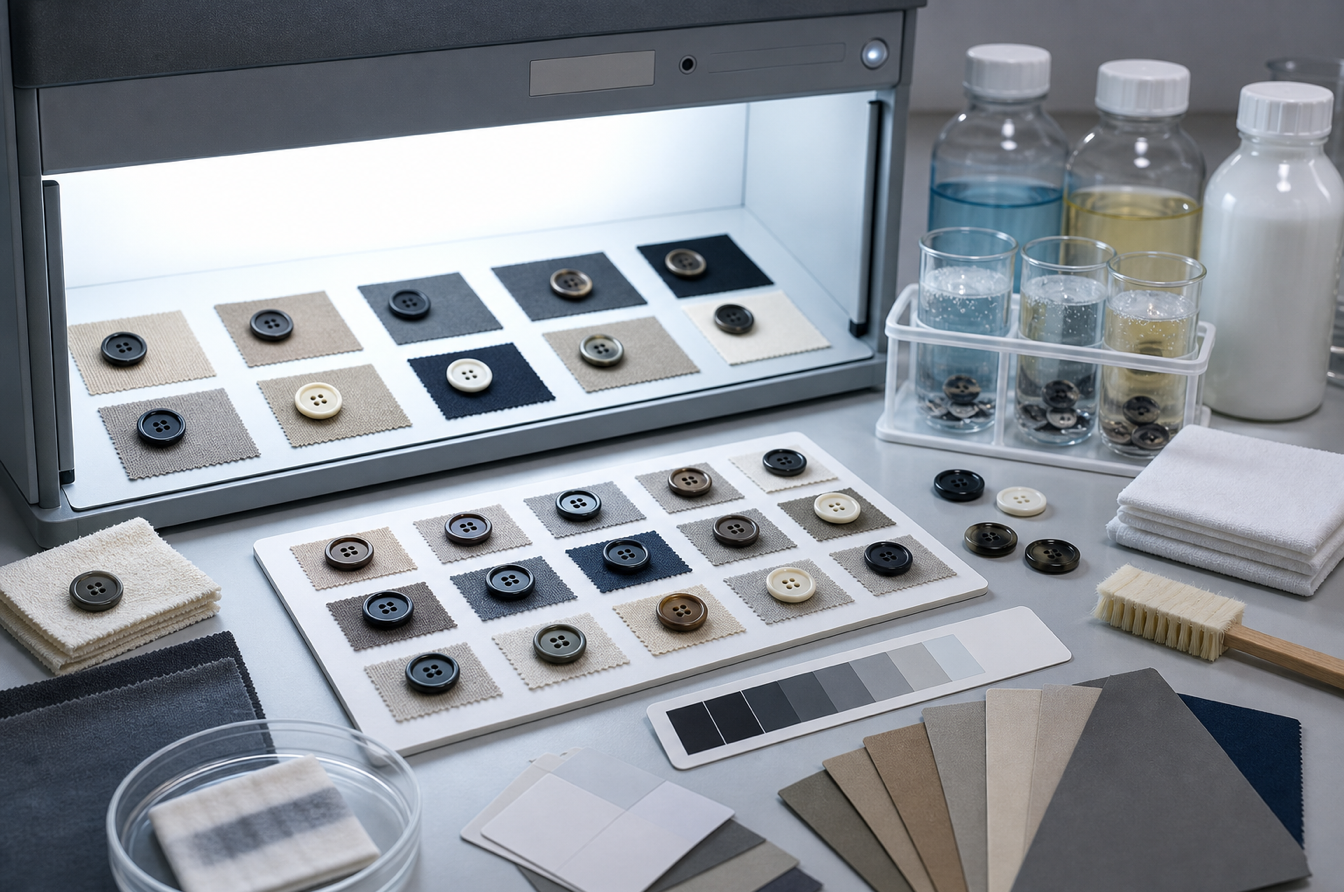
Durability Starts With The Real Garment Route
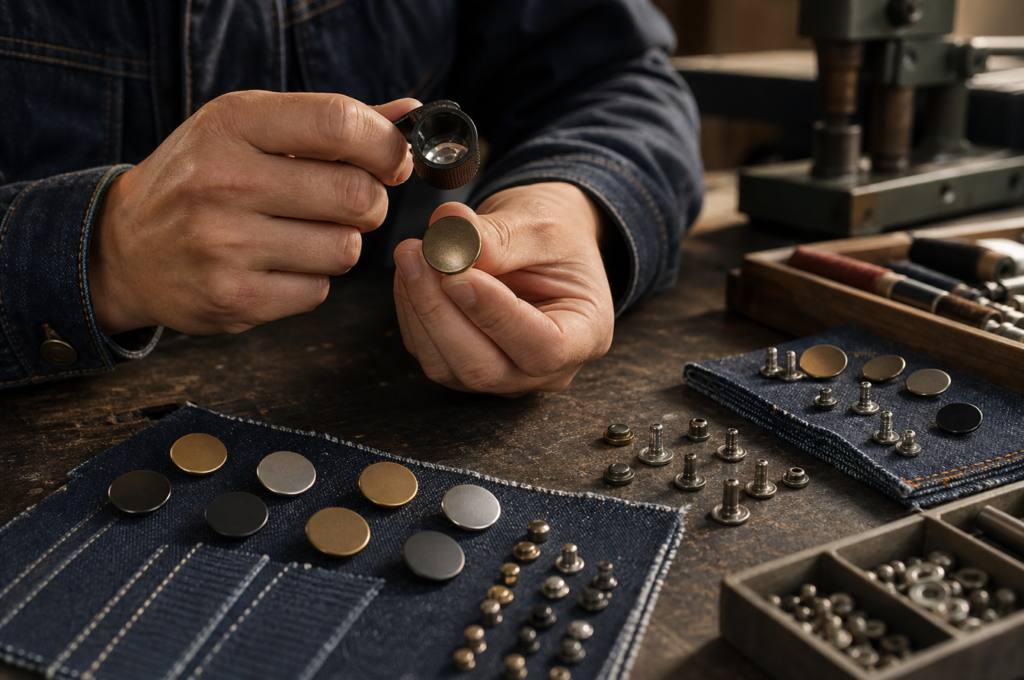
When I discuss durable buttons with a design or sourcing team, I do not start with one number. I start with the garment route. A shirt button, a blazer button, a jean button, and an outdoor workwear button face very different risks. A shirt button may need smooth touch, stable dye tone, and good laundry resistance. A denim tack button must resist high tension and industrial washing. A uniform button may need corrosion resistance, repeat washing stability, and a clean appearance after long service.
Breaking strength is only one part of the picture. A button may pass a simple strength check but still lose color under chlorine cleaning, absorb dye during garment washing, or show surface whitening after abrasion. It may also be too brittle for transport pressure or too soft for repeated machine pressing. This is why I prefer to define durability as a set of linked requirements. The button should hold its structure, color, surface, and attachment through the full lifecycle of the garment.
| Durability Area | Practical Risk | Supplier Check |
|---|---|---|
| Mechanical strength | Cracking, splitting, or shank failure | Pull, impact, and torque testing |
| Color stability | Shade change after washing or sunlight | Colorfastness and lightbox review |
| Chemical resistance | Surface damage from detergent or bleaching | Wash and chemical exposure tests |
| Abrasion resistance | Logo or coating wear | Rubbing and stone wash simulation |
| Attachment security | Button loss in use | Sewing, tack, or pull test control |
Supplier Judgment Can Reduce Returns
A button decision can influence return rates more directly than many teams expect. If the button breaks after a few wears, the consumer rarely blames the button supplier. They blame the clothing brand. If a metal button stains fabric, if a recycled resin button cracks in a dryer, or if a natural button warps after an industrial wash, the brand absorbs the cost through complaints, markdowns, rework, or lost trust.
This is where a supplier should act as a technical partner. I like to ask for the fabric weight, garment wash process, target market, care label, expected retail price, and any children’s wear or skin-contact requirements before confirming a button. These details help decide whether a polyester button needs a thicker edge, whether a brass button needs a protective finish, whether a corozo button is suitable for the wash route, or whether a nylon button is safer for impact use. Durable button sourcing is not about choosing the hardest material. It is about choosing the right material for the real garment.
Which Materials Deliver The Right Balance Of Look And Performance?
Material choice can lift a garment, but it can also create hidden production and after-sale problems.
Polyester resin, metal, nylon, polycarbonate, corozo, horn, wood, and coconut each bring different strengths in appearance, cost, impact resistance, wash stability, and sustainability.
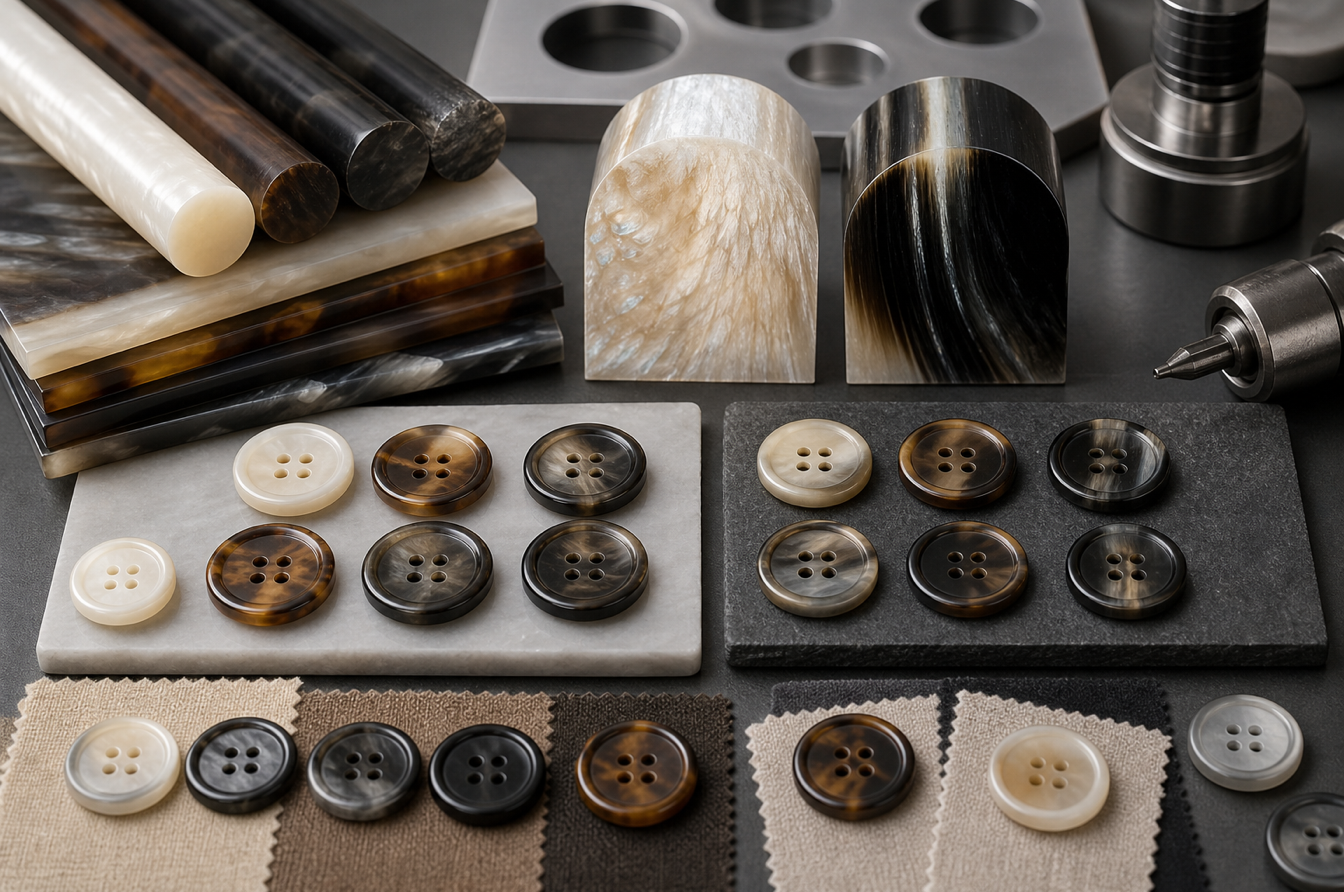
Polyester Resin Gives Wide Design Freedom
Polyester resin remains one of the most flexible button materials because it can imitate natural textures while keeping industrial consistency. In practice, two production routes often matter: sheet casting and rod casting. Sheet casting can create rich layered effects, broad color movement, and surface patterns that work well for shell-like or horn-like designs. Rod casting can create depth through the cross section, giving buttons a strong three-dimensional material feeling after slicing and machining.
The difference is not only visual. The casting route, curing control, pigment dispersion, and machining quality all influence strength and surface stability. A poorly cured resin may be brittle. A rushed polishing process can leave edges that catch thread or feel sharp. A good polyester button can imitate mother-of-pearl, horn, marble, tortoise shell, or smoky translucent effects while staying more predictable than many natural materials. That makes it useful for brands that need both beauty and repeatability across thousands of garments.
| Polyester Route | Visual Strength | Production Note |
|---|---|---|
| Sheet casting | Layered color, shell effects, broad pattern movement | Good for fashion shirts and coats |
| Rod casting | Deep texture through the button body | Good for premium horn-like looks |
| Pearlescent resin | Mother-of-pearl impression | Needs stable pigment and polishing |
| Imitation horn resin | Natural streaks with repeatable strength | Useful when real horn is too variable |
Metal And Engineering Plastics Serve Tough Applications
Metal buttons bring a different kind of confidence. Stainless steel is useful when corrosion resistance matters, especially in humid markets, coastal environments, uniforms, or technical apparel. Brass has a warm hand feel and a premium visual language, but the finish and coating must match the washing and chemical exposure. In strong alkaline wash conditions or aggressive denim processes, plating, coating, and base metal compatibility should be tested before bulk production.
For denim, tack buttons or jeans buttons need a structure that can handle high tension through thick fabric. The cap, nail, shank, and locking geometry must work as a system. If the nail length is wrong, the button may tilt, loosen, or damage the fabric. If the cap edge is too thin, it may deform during installation. Good denim hardware feels simple on the garment, but it depends on controlled metal thickness, die fit, and pressing pressure.
Modern engineering plastics also deserve attention. Nylon can be tough, light, and suitable for workwear or outdoor garments. Polycarbonate offers strong impact resistance and a clean technical look. I consider these materials when the garment may face impact, cold weather, industrial use, or repeated stress. They may not always give the luxury mood of horn or metal, but they can be excellent when performance is the main promise.
How Can Sustainable Buttons Stay Durable In Real Production?
Sustainable materials are valuable only when they survive the same use, washing, and quality expectations as the garment.
Corozo, recycled polyester, biodegradable materials, horn, wood, and coconut can support lower-impact sourcing, but each material needs careful testing, care planning, and honest performance limits.
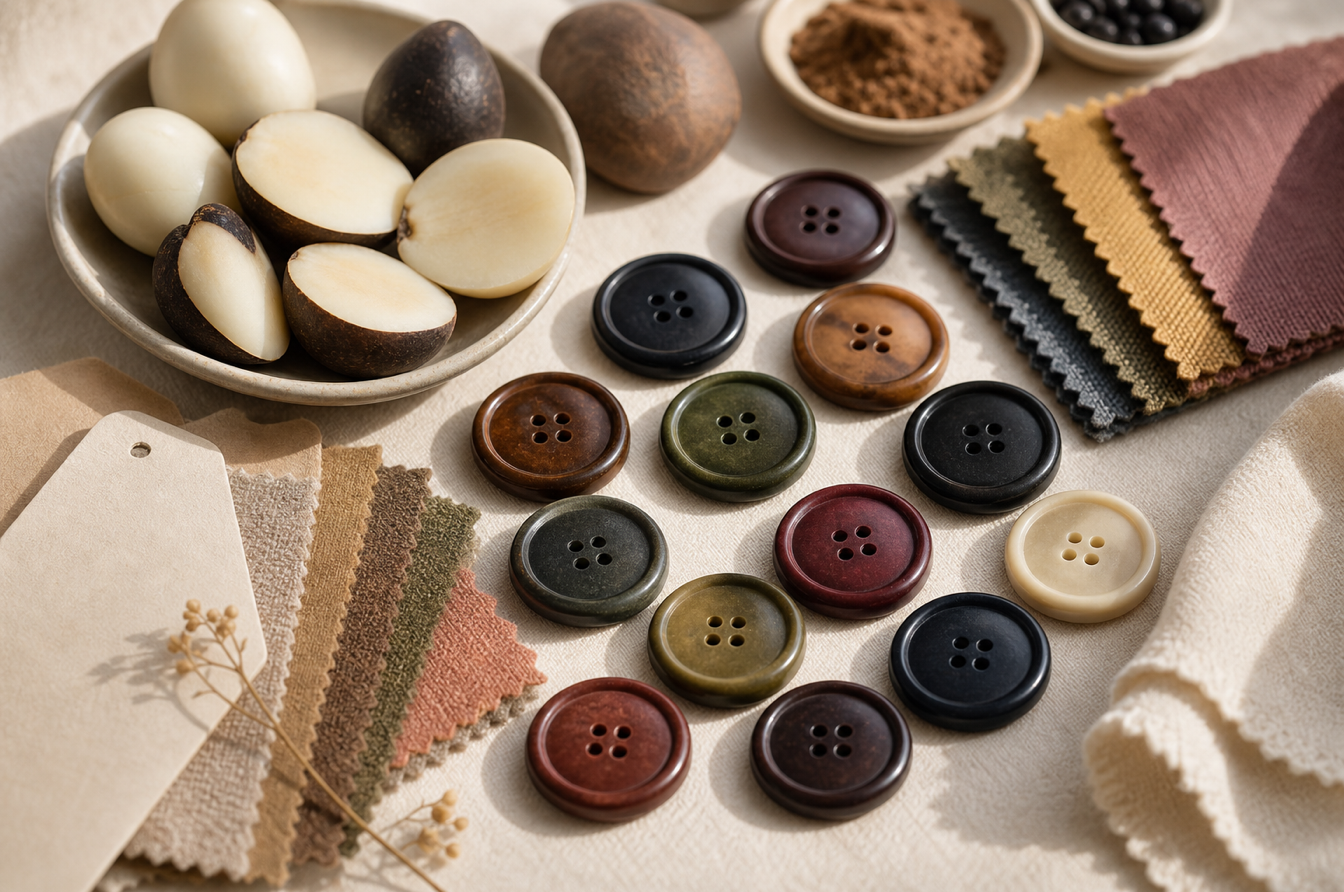
Corozo Shows Why Natural Materials Still Matter
Corozo, often called vegetable ivory, has become important because it offers a natural material story without using animal origin. It is made from tagua nut and has a dense structure that can take dye beautifully. The surface can feel warm and refined, and the material can support a premium sustainable message for shirts, tailoring, knitwear, and casual collections.
I like corozo when the brand wants natural depth and a responsible sourcing story. But I still test it like a performance material. Natural density can support good crack resistance, but industrial washing, high heat drying, and strong chemicals can still create risk. Dye absorption is also a strength and a responsibility. A beautiful color must be checked for shade consistency, rubbing, and wash behavior. With the right development, corozo can feel more honest than imitation and more refined than many basic plastic buttons.
| Sustainable Material | Design Value | Durability Watchpoint |
|---|---|---|
| Corozo | Natural density and rich dye tone | Heat, wash chemistry, shade control |
| Recycled polyester | Familiar resin performance with recycled content | Strength consistency and traceability |
| Horn | Premium natural variation | Industrial wash protection |
| Wood | Warm organic mood | Moisture movement and cracking |
| Coconut | Casual natural texture | Surface wear and wash limits |
Recycled And Biodegradable Claims Need Clear Language
Recycled polyester can be a practical option when a brand wants to reduce virgin material use without changing too much of the button development route. The key is balance. Recycled content should not create weak curing, unstable color, or uneven machining quality. I prefer to confirm recycled content documentation, physical strength, colorfastness, and bulk consistency together. A sustainable claim is stronger when the button still performs like a serious component.
Biodegradable and compostable materials need even more careful language. These words are not the same. A biodegradable material may break down under certain conditions, but the speed and environment can vary widely. A compostable material usually needs a defined composting condition and standard. From a garment point of view, the challenge is clear: the button should not degrade too early during storage, shipping, retail display, washing, or normal wearing. Sustainability should not become early failure.
Natural buttons such as horn, wood, and coconut need realistic care planning. Protective finishing, controlled drying, gentle washing routes, and clear care instructions can help. For heavy industrial washing, I may suggest pre-testing, removable button strategies, or switching to a more stable material if the garment route is too aggressive. A good sustainable button program is not idealistic. It is practical, documented, and tested.
What Manufacturing And Testing Controls Protect Bulk Quality?
A good sample is not enough if bulk production cannot repeat the same dimension, color, and performance.
CNC machining, controlled polishing, 3D prototyping, pull testing, wash testing, color review, and compliance screening help turn button design into stable bulk quality.
Digital Manufacturing Improves Precision
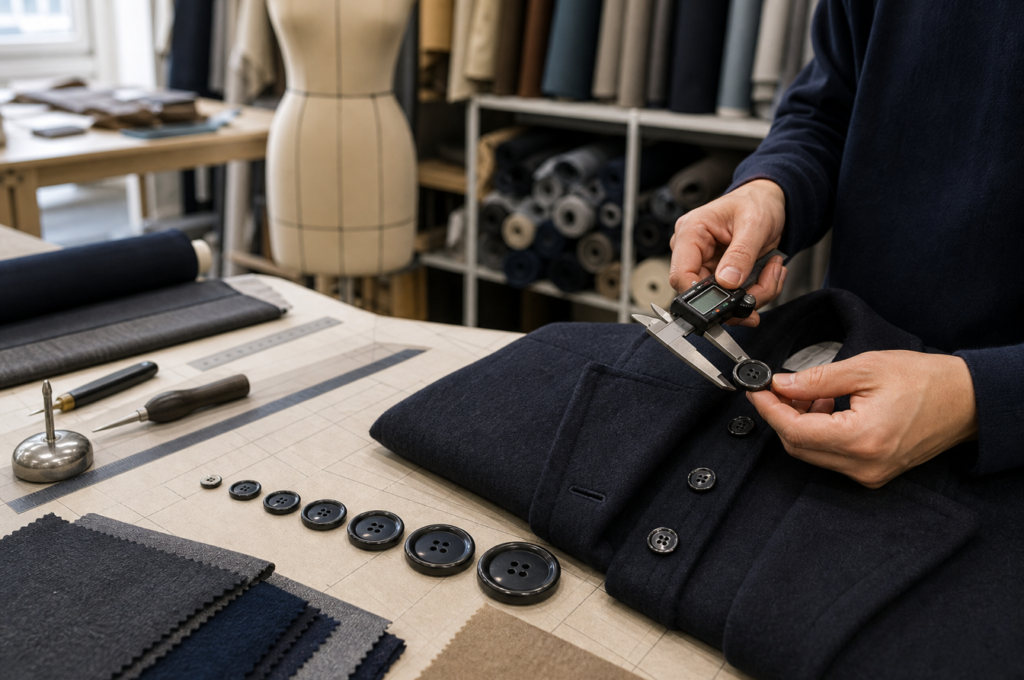
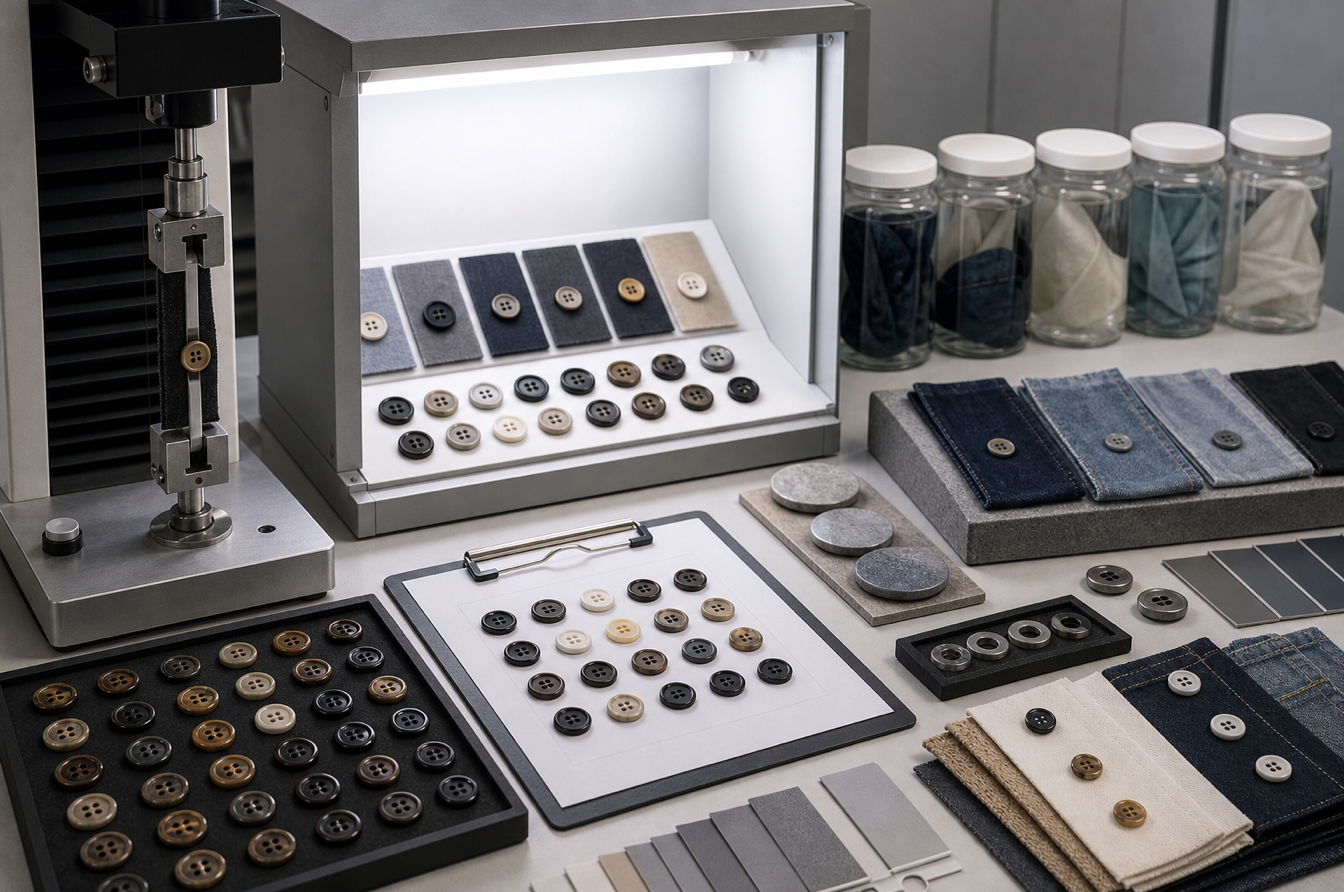
CNC milling is useful when a button needs complex geometry, precise grooves, unusual edge profiles, or tight size control. It allows the supplier to control repeatable details that may be difficult with looser manual shaping. For premium buttons, small dimensional differences can change the feeling of the garment. A slightly different rim height can affect shine. A small hole position shift can affect sewing balance. A rough edge can damage thread.
Rapid prototyping also changes the development conversation. With 3D printing, a supplier can show the brand a physical shape quickly before committing to tooling or bulk machining. For a new logo button, a sculpted coat button, or a technical plastic button, a 24-hour prototype can help the design team check scale, touch, and proportion on the actual garment. The prototype is not always the final material, but it prevents many expensive misunderstandings.
| Manufacturing Control | Why It Matters | Best Use |
|---|---|---|
| CNC milling | Precise shape and size | Complex geometry and premium profiles |
| 3D printing | Fast shape review | New forms and early design approval |
| Controlled polishing | Smooth touch and clean shine | Shirt, coat, and tailoring buttons |
| Lightbox color review | Shade consistency | Multi-batch color matching |
| Gauge inspection | Stable hole and diameter size | Bulk quality control |
Testing Should Match The Risk Level
Pull testing is especially important when the garment has safety requirements. Children’s clothing needs careful attachment security because loose small parts can create swallowing risk. A supplier should understand the required test method from the buyer or market and should help the factory set correct sewing or attachment control. A strong button can still fail if it is attached with weak thread, wrong stitch count, or unstable machine settings.
Wash testing is just as important. Garments may go through home laundry, dry cleaning, stone wash, enzyme wash, garment dyeing, or heavy rinse processes. A button should be tested against the process it will actually face. I look for cracking, fading, dye bleeding, coating loss, corrosion, deformation, and logo damage. For metal buttons, I check plating and corrosion behavior. For resin buttons, I check brittleness and color change. For natural buttons, I check swelling, cracking, and surface roughness.
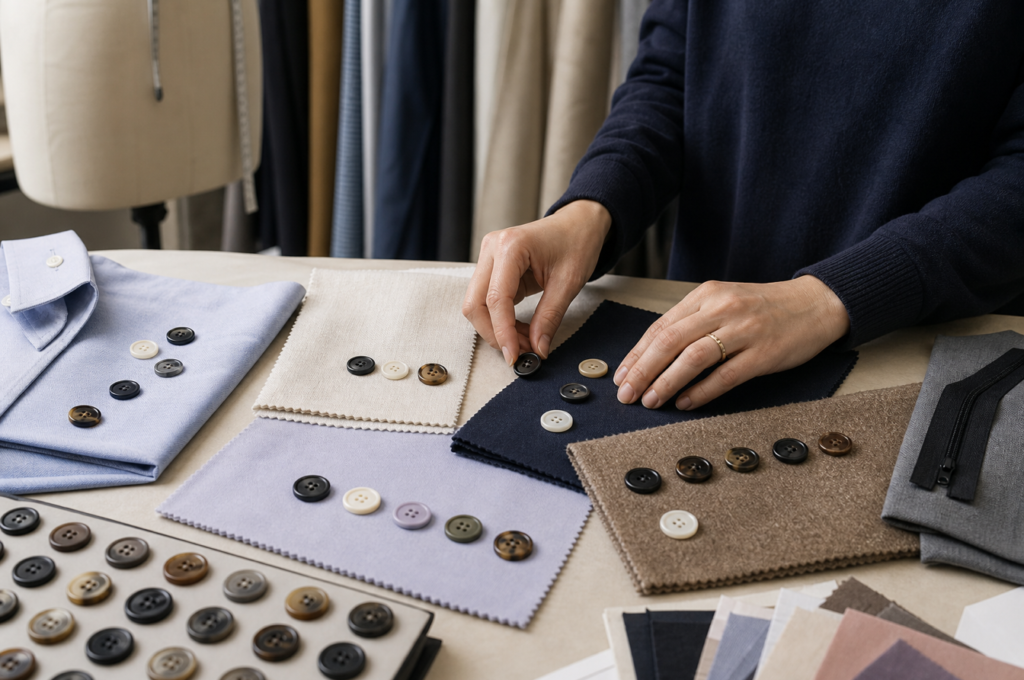
Color control also needs structure. I prefer to review color under a D65 standard light source when the button must match fabric, thread, zipper tape, or label color. This reduces the risk of approving a button that looks correct in one room but wrong in a store or studio. Good quality control is not about making a report for decoration. It is about making sure the bulk garment looks and performs like the approved sample.
How Do Custom Buttons Build Brand Value Across Global Markets?
Buttons can carry brand identity in a way that feels close, tactile, and permanent.
Custom engraving, laser marking, color consistency, material storytelling, and global compliance turn buttons into brand assets instead of simple closures.
Branding Works Best When It Respects Scale
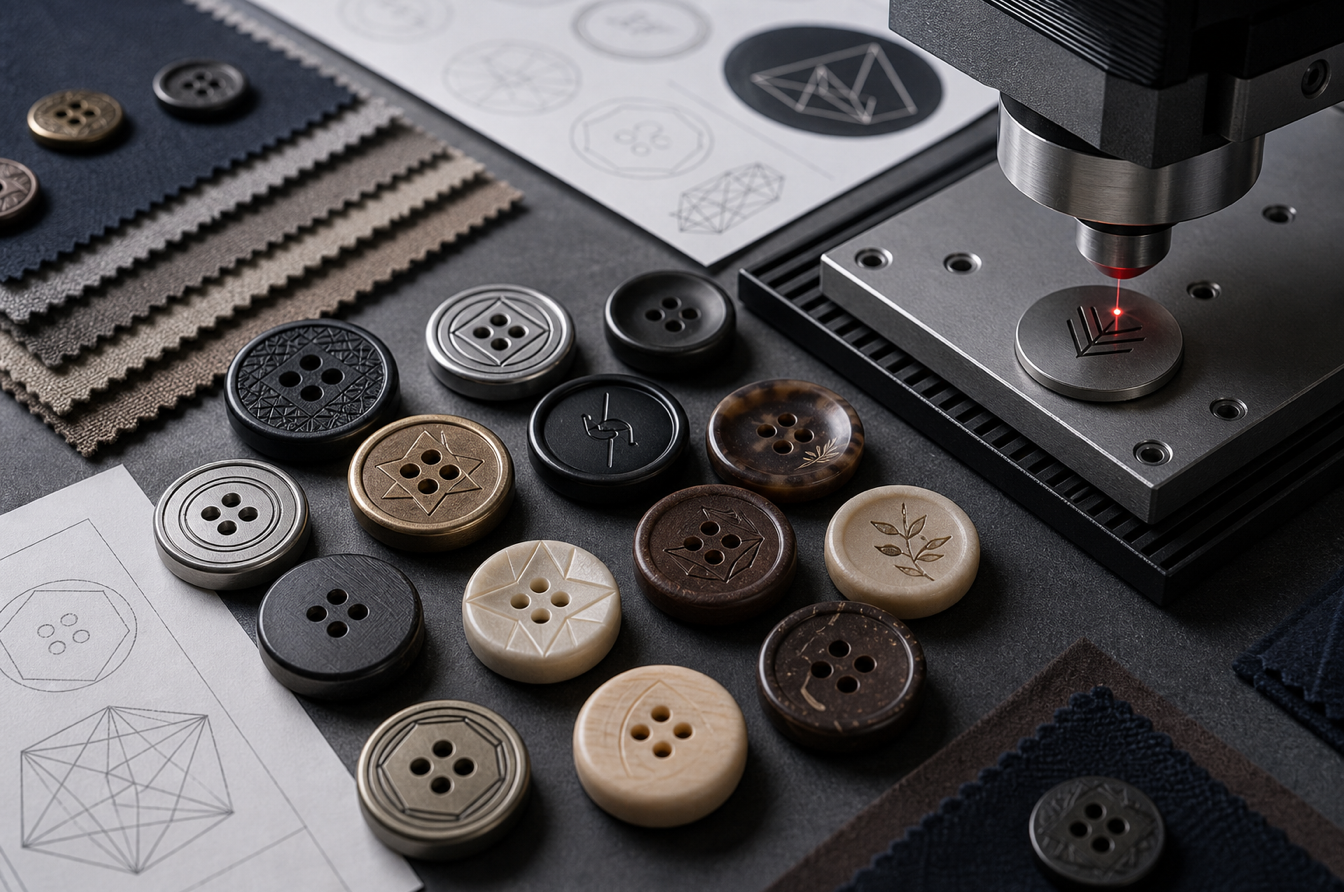
Laser marking and precision engraving can place a logo on a very small surface with high clarity. This is useful for shirt buttons, coat buttons, jeans tack buttons, snap caps, and decorative trims. But the artwork must respect scale. Fine letters may close after plating or polishing. Thin lines may disappear on textured materials. A logo that looks strong on a screen may become weak at 11 mm.
I usually ask for a clean vector file and then review line thickness, clear space, and surface curve. A debossed logo can feel subtle and premium. A laser mark can feel precise and technical. A raised logo can feel bold, but it needs enough surface area. The button should support the brand without making the garment look forced. When the design is quiet, the customer may notice it only when buttoning the garment, but that small moment can strengthen perceived quality.
| Branding Method | Best Feeling | Key Check |
|---|---|---|
| Laser marking | Clean and precise | Contrast on final material |
| Engraving | Durable and premium | Depth and edge clarity |
| Debossing | Quiet brand signal | Readability after finishing |
| Raised logo | Strong recognition | Minimum line thickness |
| Color-matched button | Integrated design | D65 review and batch control |
Compliance Supports Trust And Export Readiness
Global brands also need buttons that fit chemical and environmental expectations. OEKO-TEX related certification, REACH awareness, and restricted substance control matter because buttons are part of the finished article. For exporters, these requirements are not only paperwork. They reduce risk for buyers who sell across Europe, North America, and other regulated markets.
I avoid treating compliance as a final step. It should be discussed when material, dye, coating, plating, adhesive, or recycled content is selected. If a button uses metal plating, the supplier should understand restricted heavy metals and skin-contact concerns. If it uses dyed resin or natural material, colorants and finishing chemicals should be controlled. If it uses recycled content, documentation and traceability should be clear enough for the buyer’s internal system.
Brand value grows when design, sourcing, and compliance speak the same language. A beautiful button supports the collection. A durable button protects the garment. A compliant button helps the product move through global markets with fewer concerns. When all three work together, the button becomes a small but serious part of the brand promise.
Conclusion
A high-performance button protects the garment, strengthens the brand, and extends product life through better material, testing, compliance, and supplier collaboration.